Polonia Project
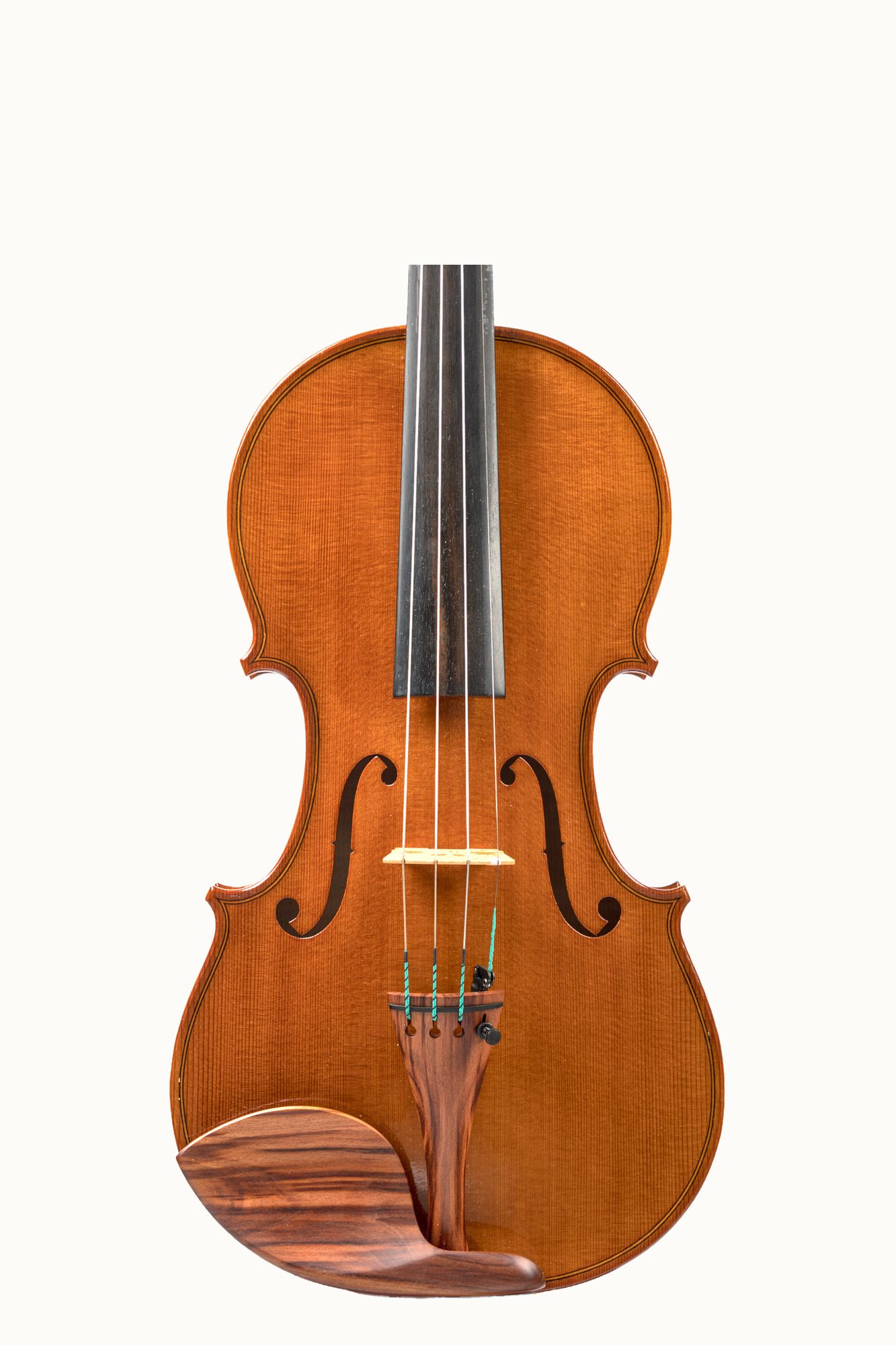
Antonio Stradivari „Polonia" · 1685
Polonia Project is Mateusz Majkowski’s own project, devoted to technical documentation drawn from the computed tomography of the 1685 ‘Polonia’ violin by Antonio Stradivari. It brings together traditional violin building, industrial metrology and three-dimensional modelling.
In brief
- The 1685 ‘Polonia’ violin by Antonio Stradivari is the only instrument in Poland attributed to Stradivari.
- The industrial computed tomography examination took place on 3 September 2025 at the Computer Tomography and Radiography Laboratory of the Kielce University of Technology, on a Nikon M2 LES system.
- The examination is non-destructive: the instrument was neither opened nor dismantled.
- The data yielded technical documentation: drawings, three-dimensional models, arching sections, plate thickness maps, a construction mould and bench templates — the drawings in collaboration with Bartłomiej Czapla.
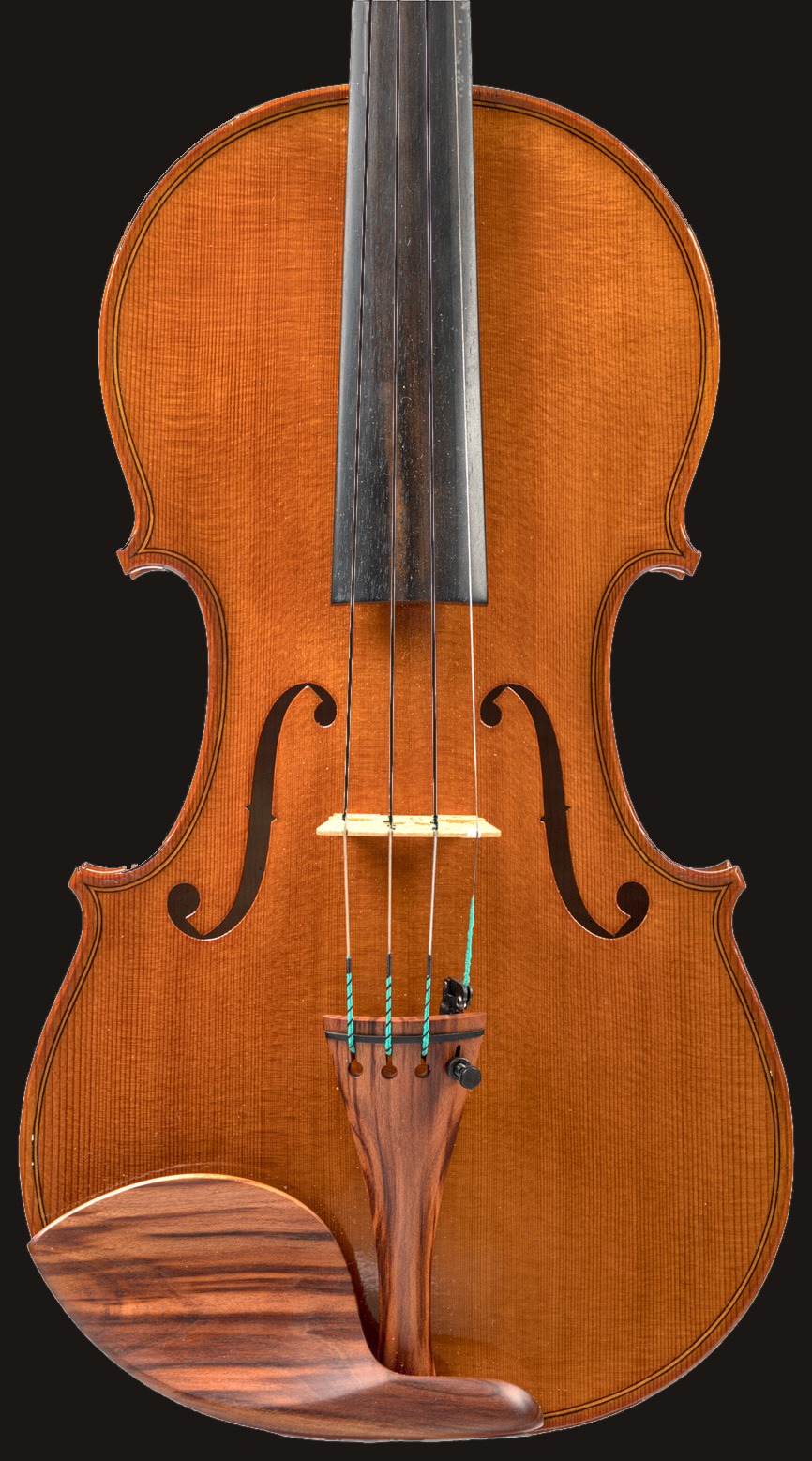
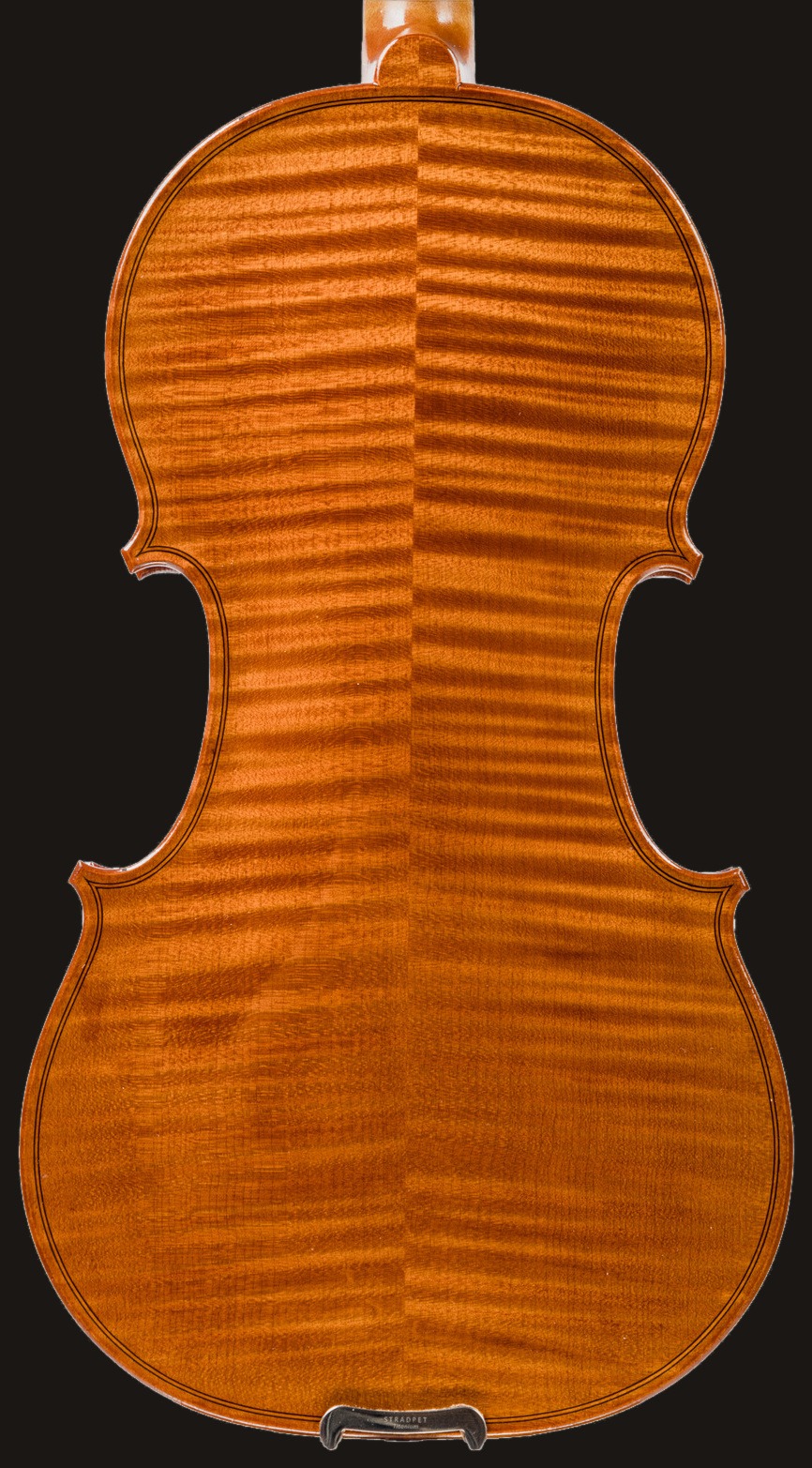
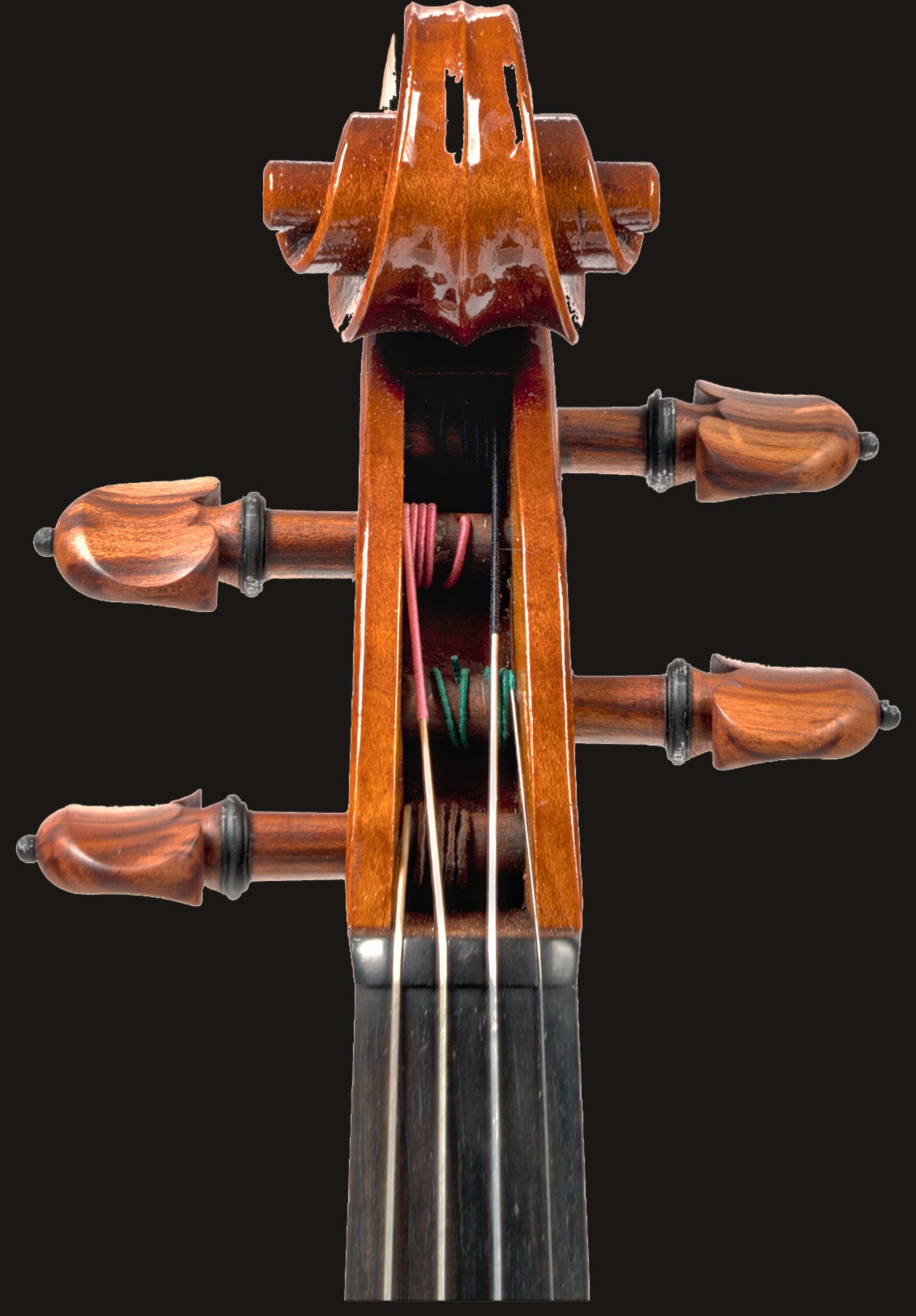
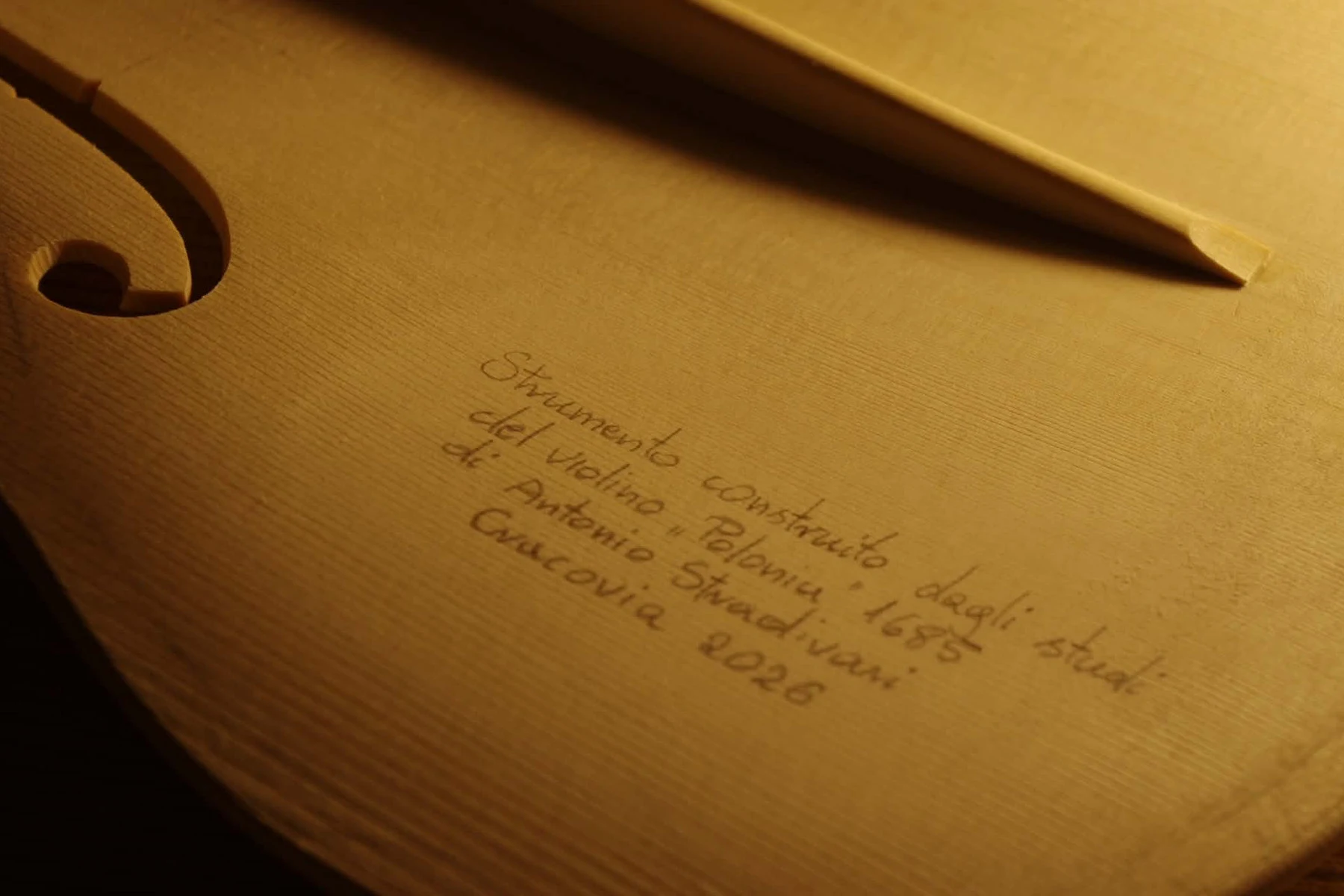
- A new violin was built from the documentation — a present-day interpretation of the model, not a copy.
- The documentation records geometry and construction; it does not serve to establish authenticity or attribution.
- The project is to close with a concert for two violins: the original and the instrument built from the documentation.
Aims of the project
The aim is not to reproduce the historical instrument, but to build the most complete technical documentation possible — one that allows its construction to be analysed and the data to be used at the bench. The documentation serves informed interpretation of the model, not mechanical copying.
- Tomographic examination of the instrument
- Technical documentation, moulds and construction templates worked out from that data
- A new instrument built from that documentation
- A concert for two violins — the original Stradivari and the instrument built from the research
Why Polonia
‘Polonia’ is the only instrument in Poland attributed to Stradivari. It was made in the Amatisé period, regarded as one of the most important stages in the development of Antonio Stradivari’s workshop. It was then that the constructional and stylistic solutions gradually took shape which, in the years that followed, reached their full development in Stradivari’s golden period. The tomographic examination within the project was made possible through the cooperation of Janusz Wawrowski — the instrument’s custodian, and a leading Polish violinist who performs on ‘Polonia’ regularly.
The tomographic examination
The examination was carried out on a Nikon M2 LES industrial computed tomography system. This resolution allows the instrument’s geometry, internal structure and traces of earlier repairs to be studied without touching the historical object.
- System
- Nikon M2 LES
- Resolution
- from 0.06 mm
- Method
- industrial computed tomography
- Examination
- 3 September 2025 · Kielce
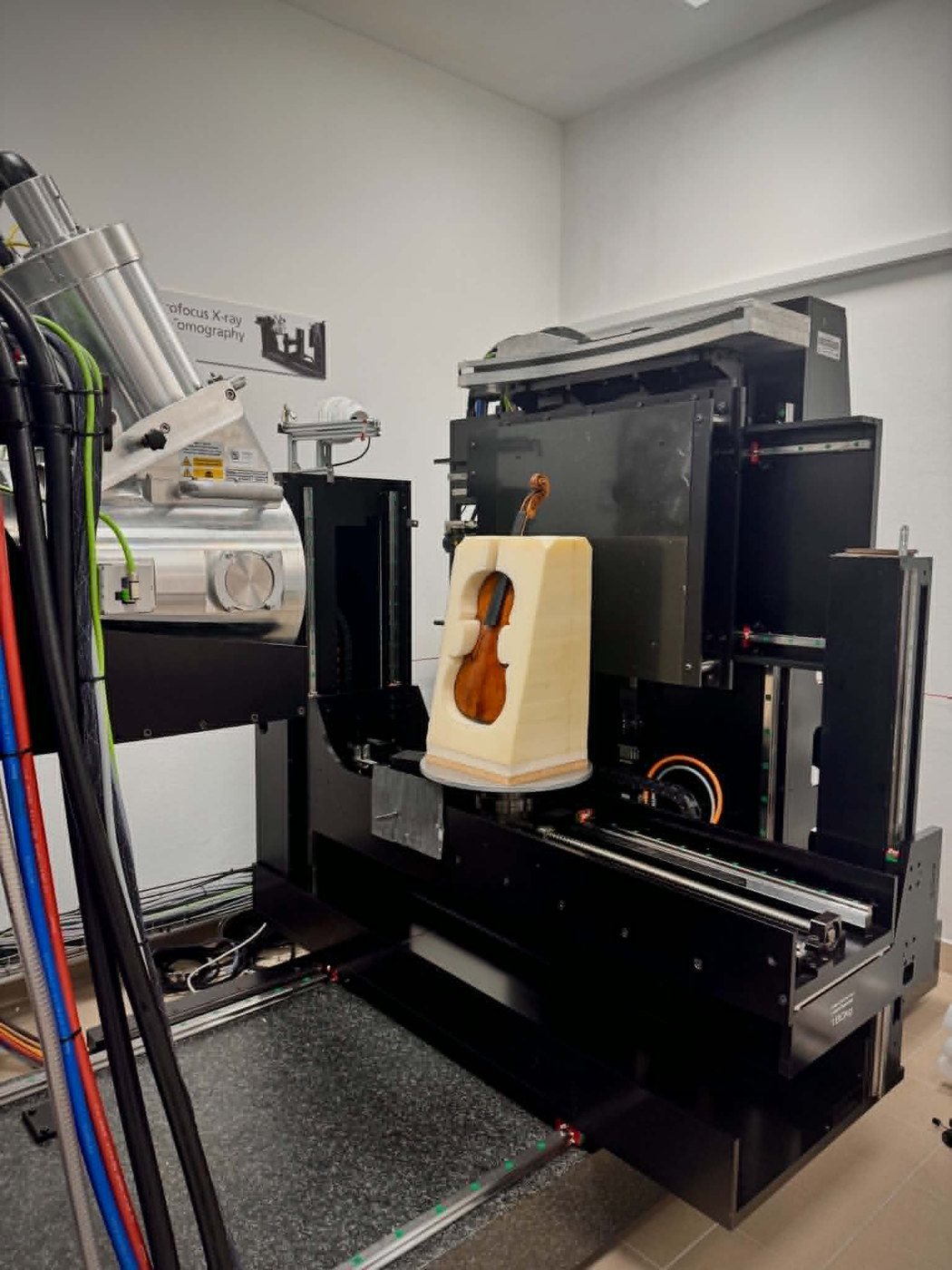
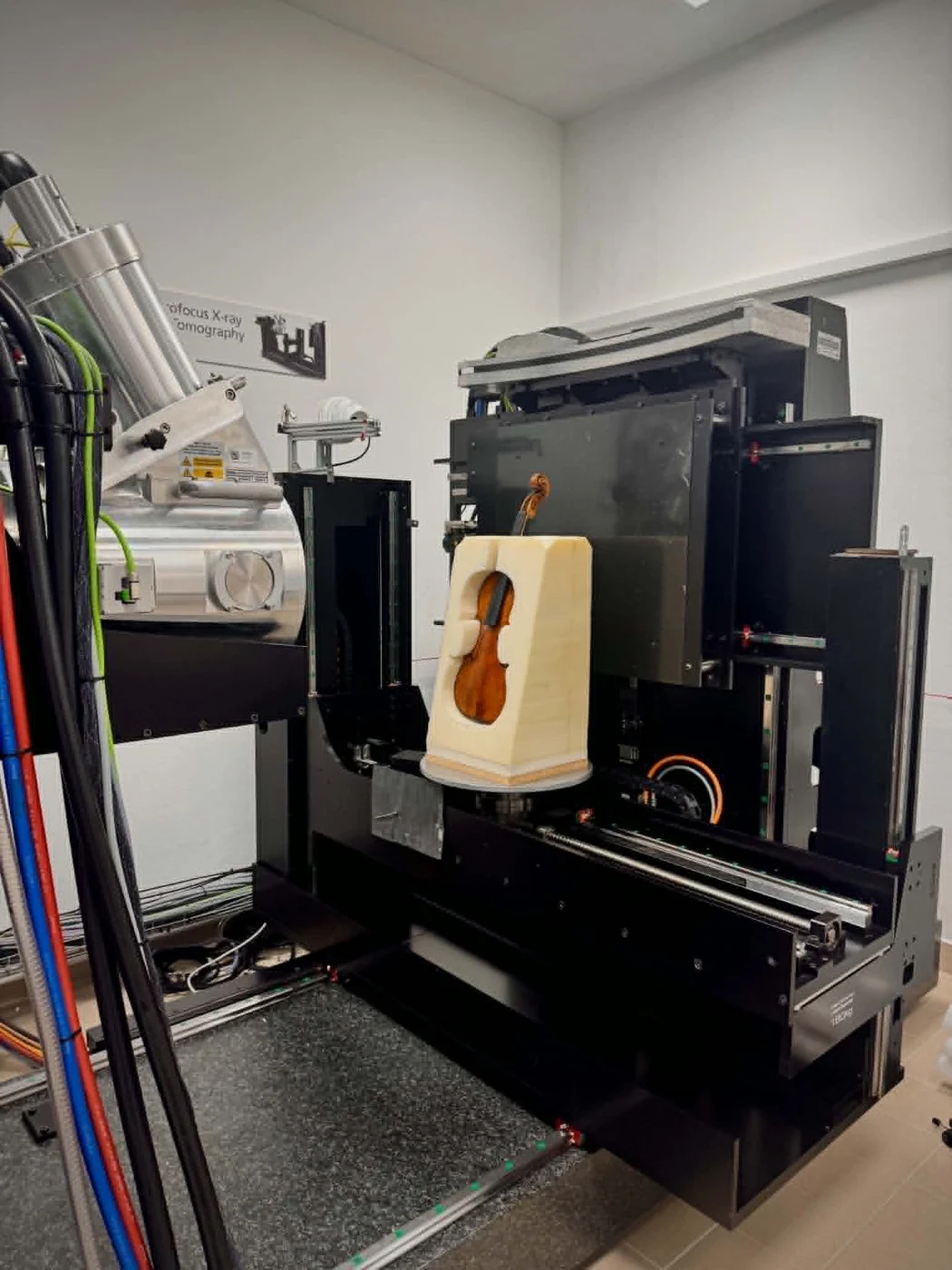
The ‘Polonia’ violin in the scanner’s measurement mount
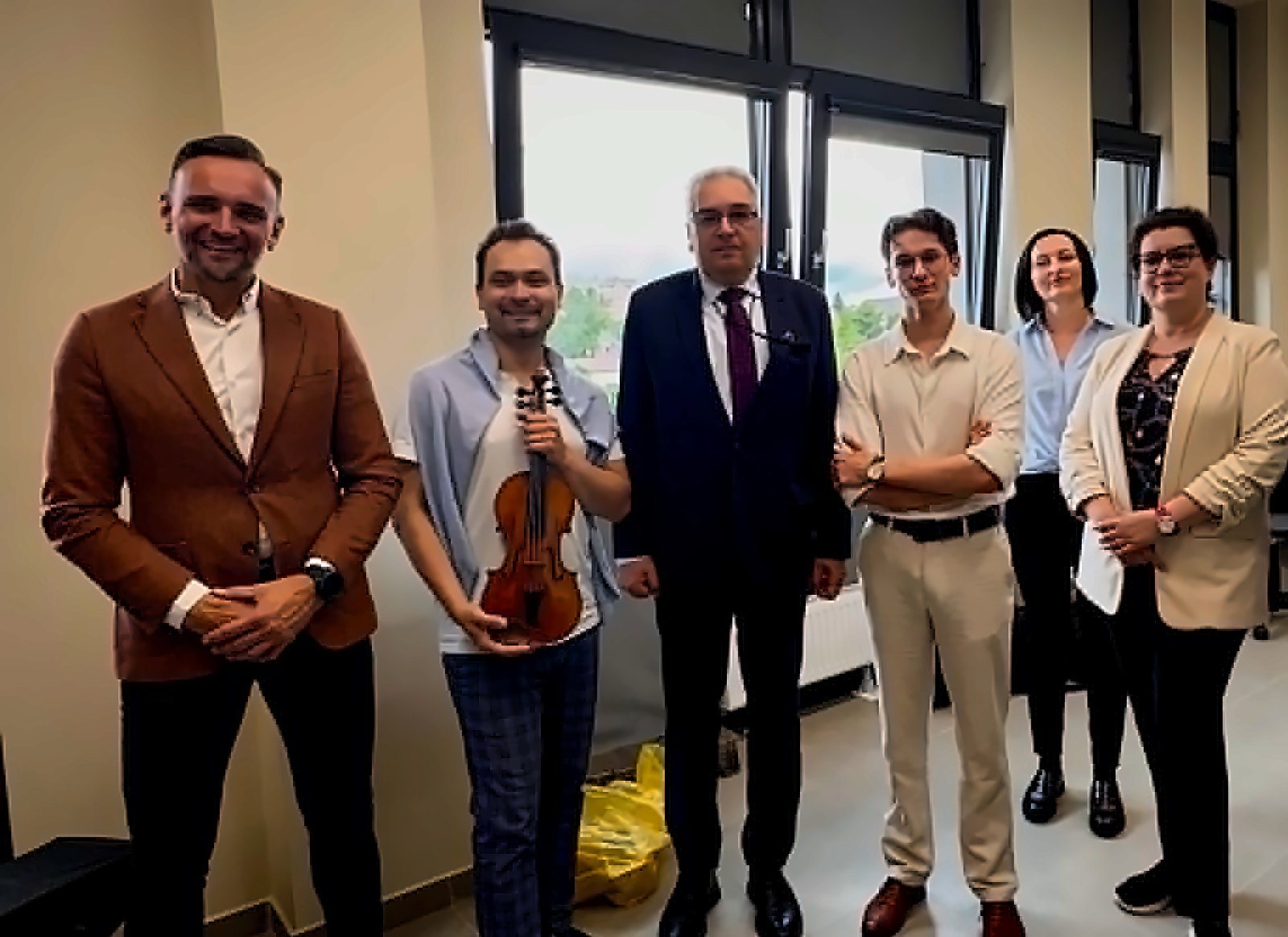
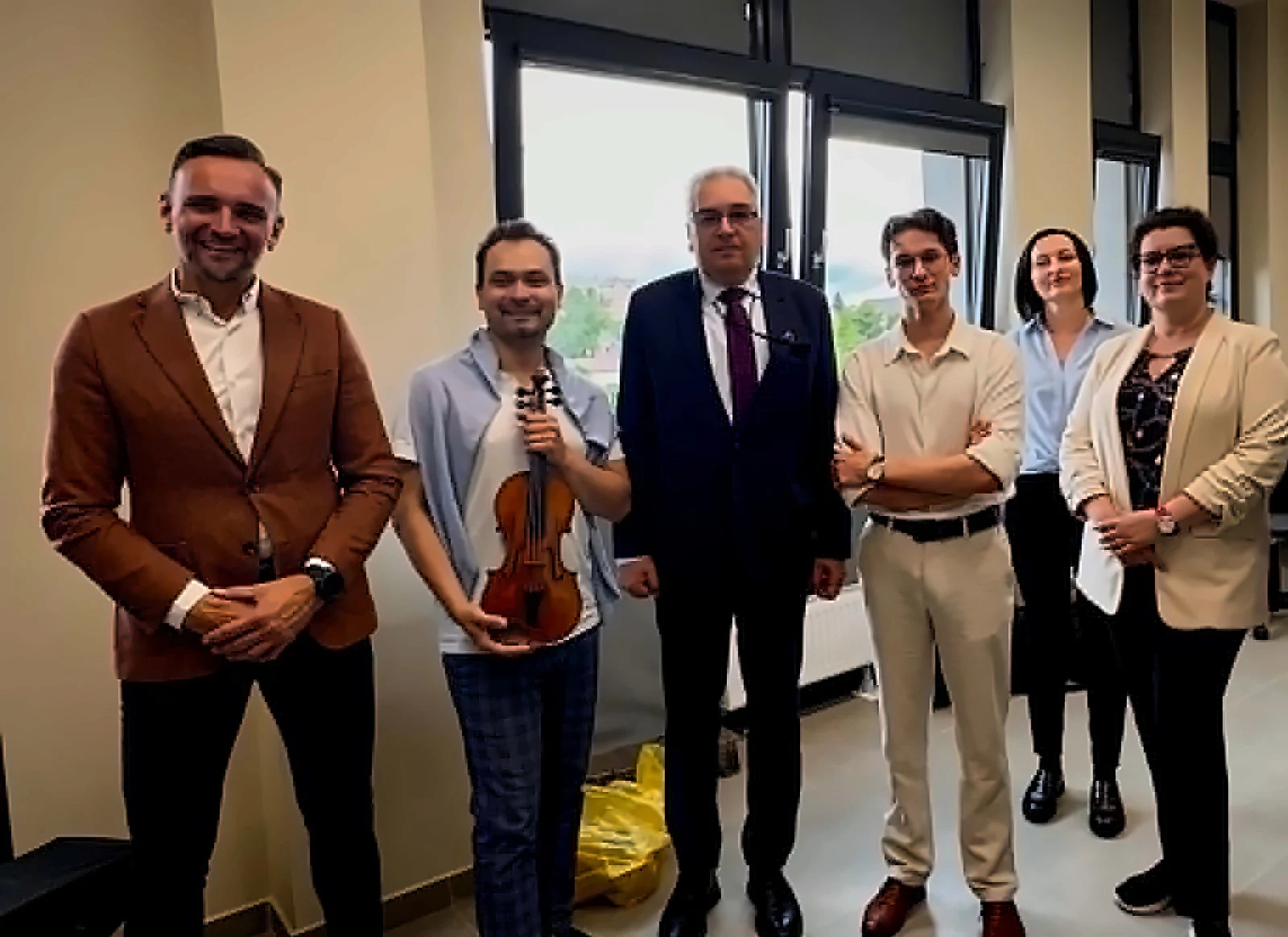
The team at the examination — Tomography Laboratory, Kielce University of Technology
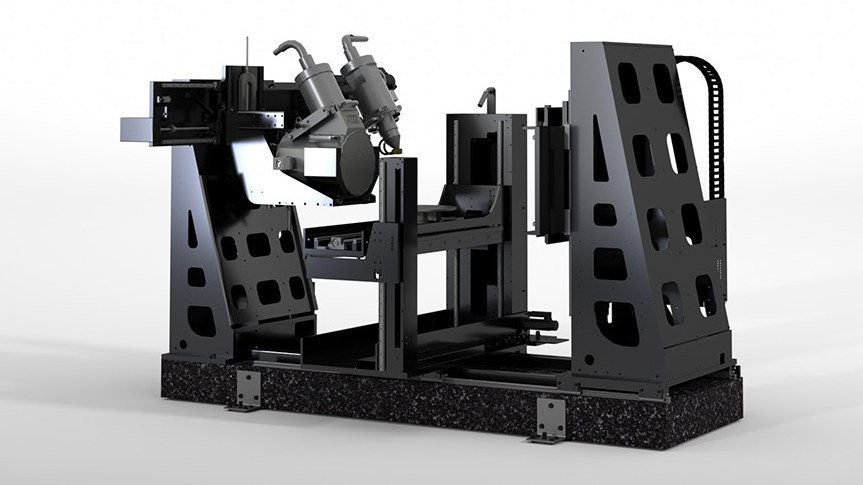
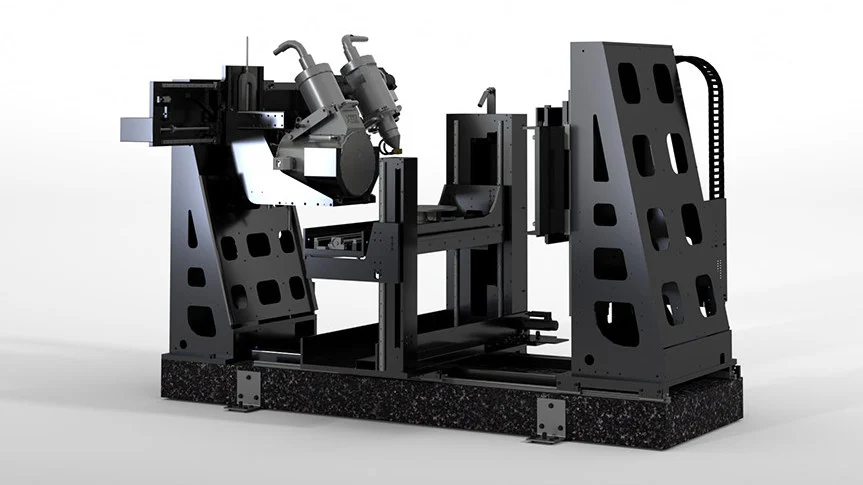
The Nikon M2 LES computed tomography system · photo Nikon Metrology
Technical documentation
Industrial computed tomography (CT) is a non-invasive method that uses X-rays to build a three-dimensional model of the object examined. It allows both the external geometry and the entire internal construction of an instrument to be studied without opening or dismantling it.
Tomography makes it possible to assess plate thicknesses, the run of the arching, the placement of structural elements, the quality of earlier repairs, hidden cracks and other damage that cannot be reached without opening the instrument. Analysis of the data also allows the distribution of wood density to be determined — a valuable complement to materials research and dendrochronology.
From the data obtained come technical drawings, tomographic sections, tables of measurements, plate thickness maps, three-dimensional models, and the constructional documentation used to design moulds and bench templates.
The aim of the technical documentation is to record the geometry and construction of the instrument as faithfully as possible. It concentrates on dimensional record and structural analysis; it does not serve to establish authenticity or attribution.
From the industrial computed tomography data, and in collaboration with Bartłomiej Czapla, a complete set of technical documentation for the ‘Polonia’ model was worked out: technical drawings, digital models of the instrument’s geometry, sections through the arching, and the set of outline templates needed to build a new instrument.
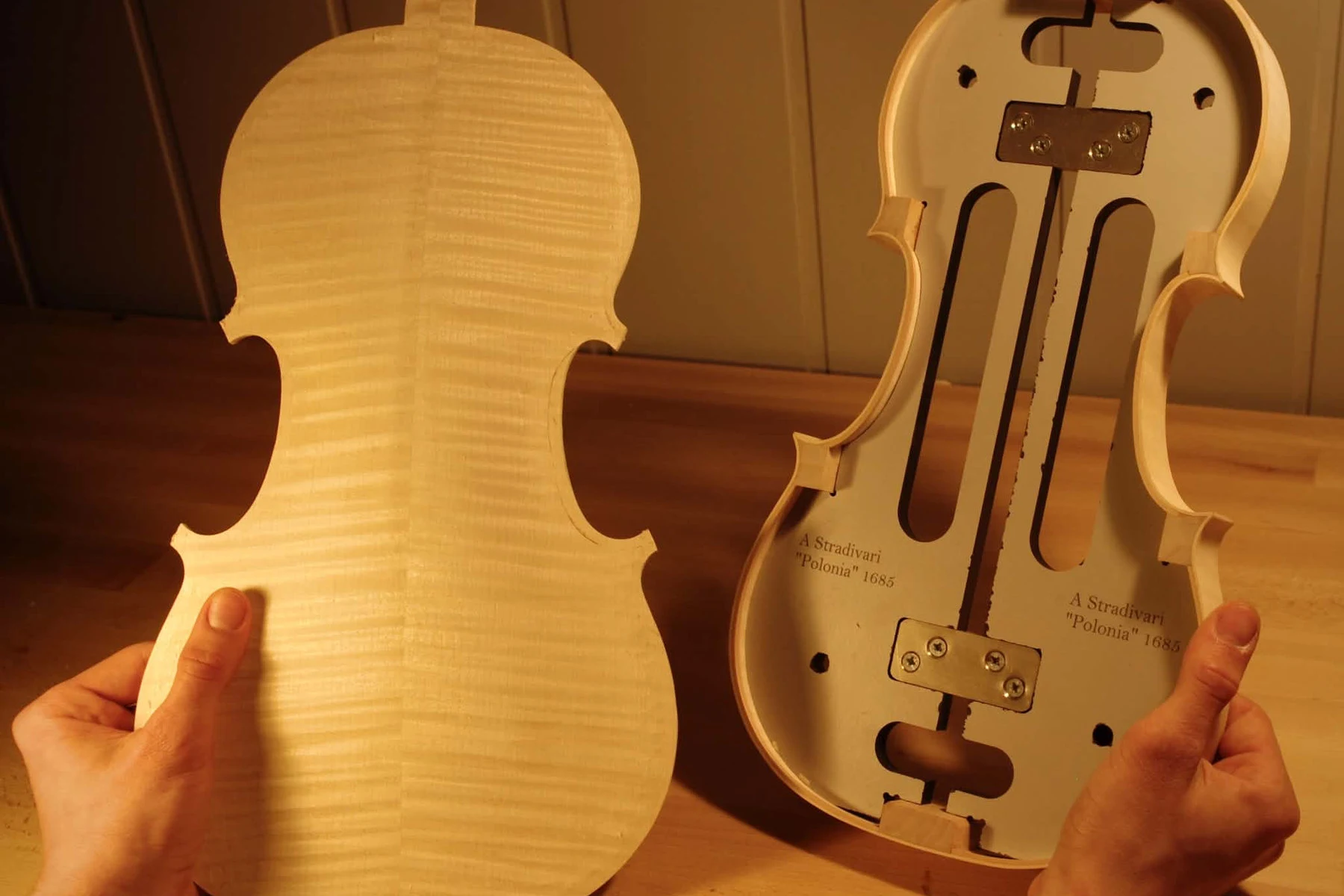
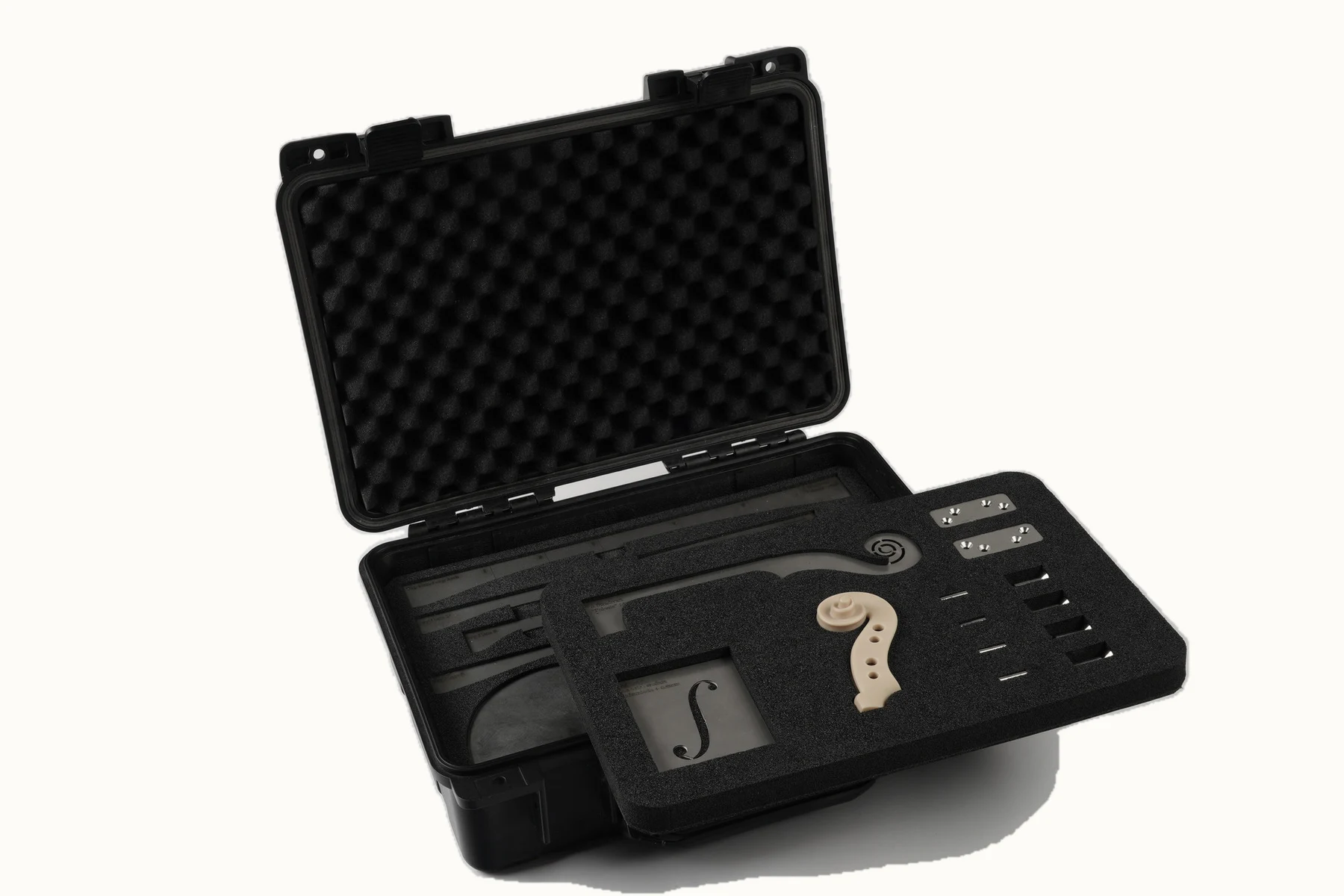
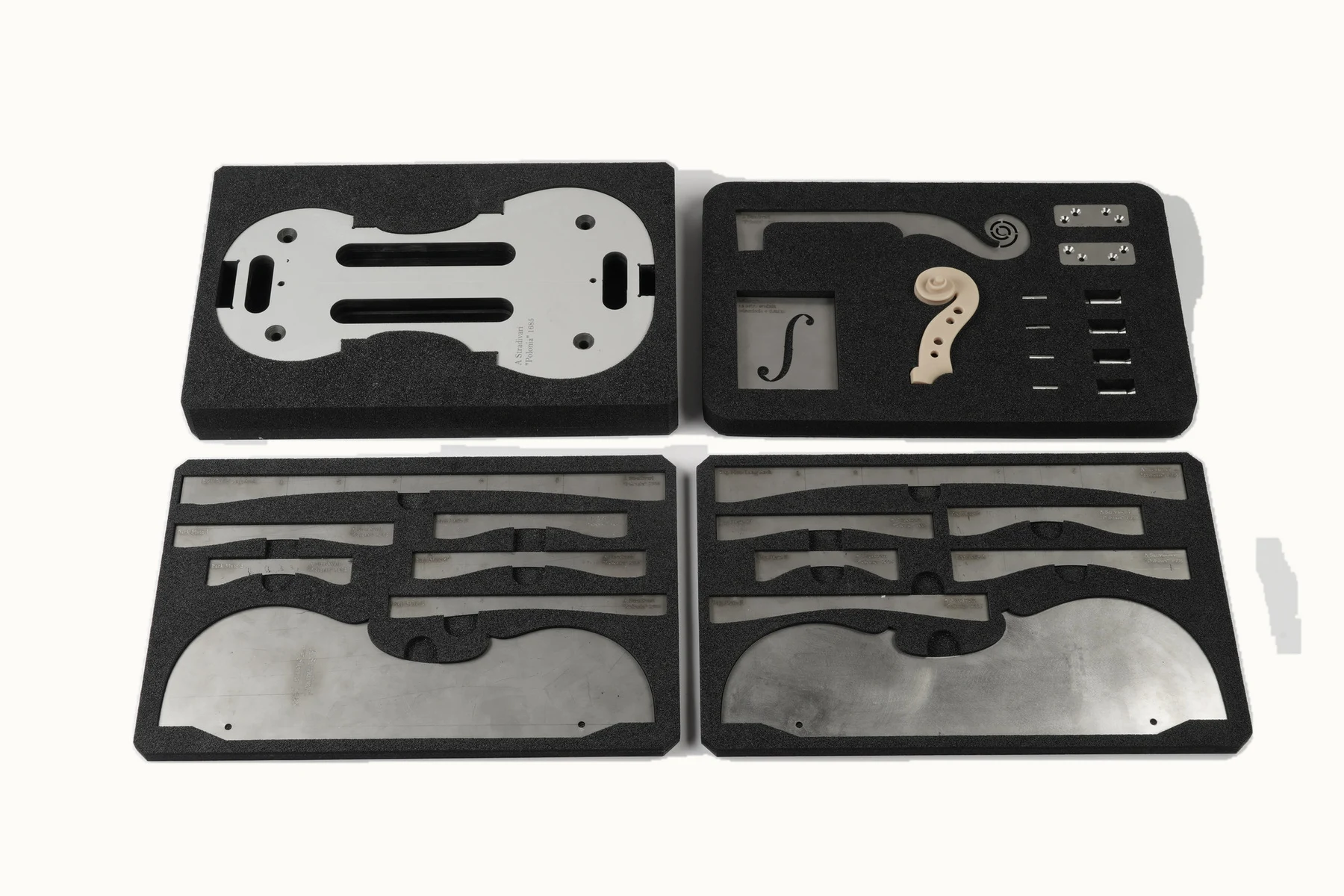
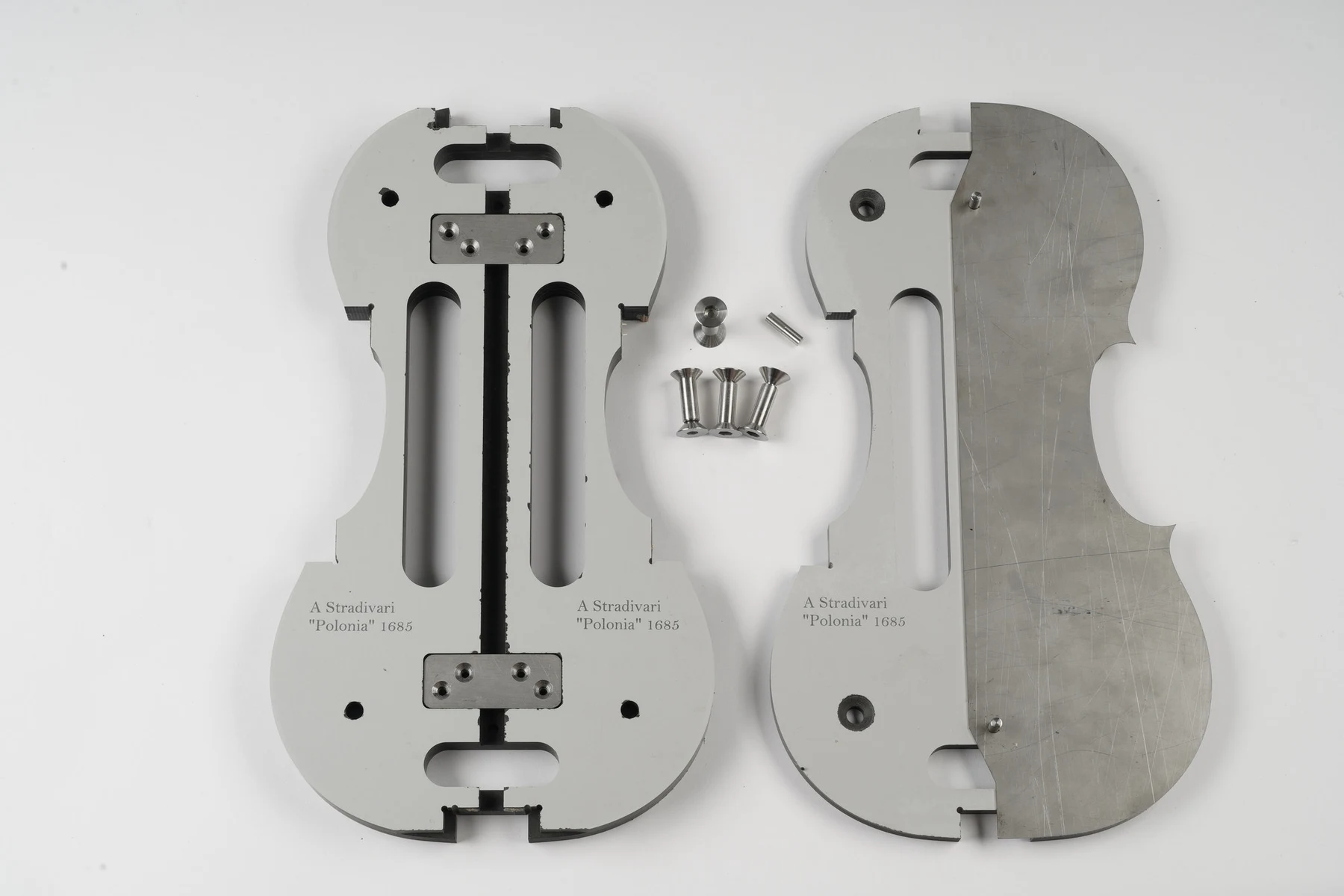
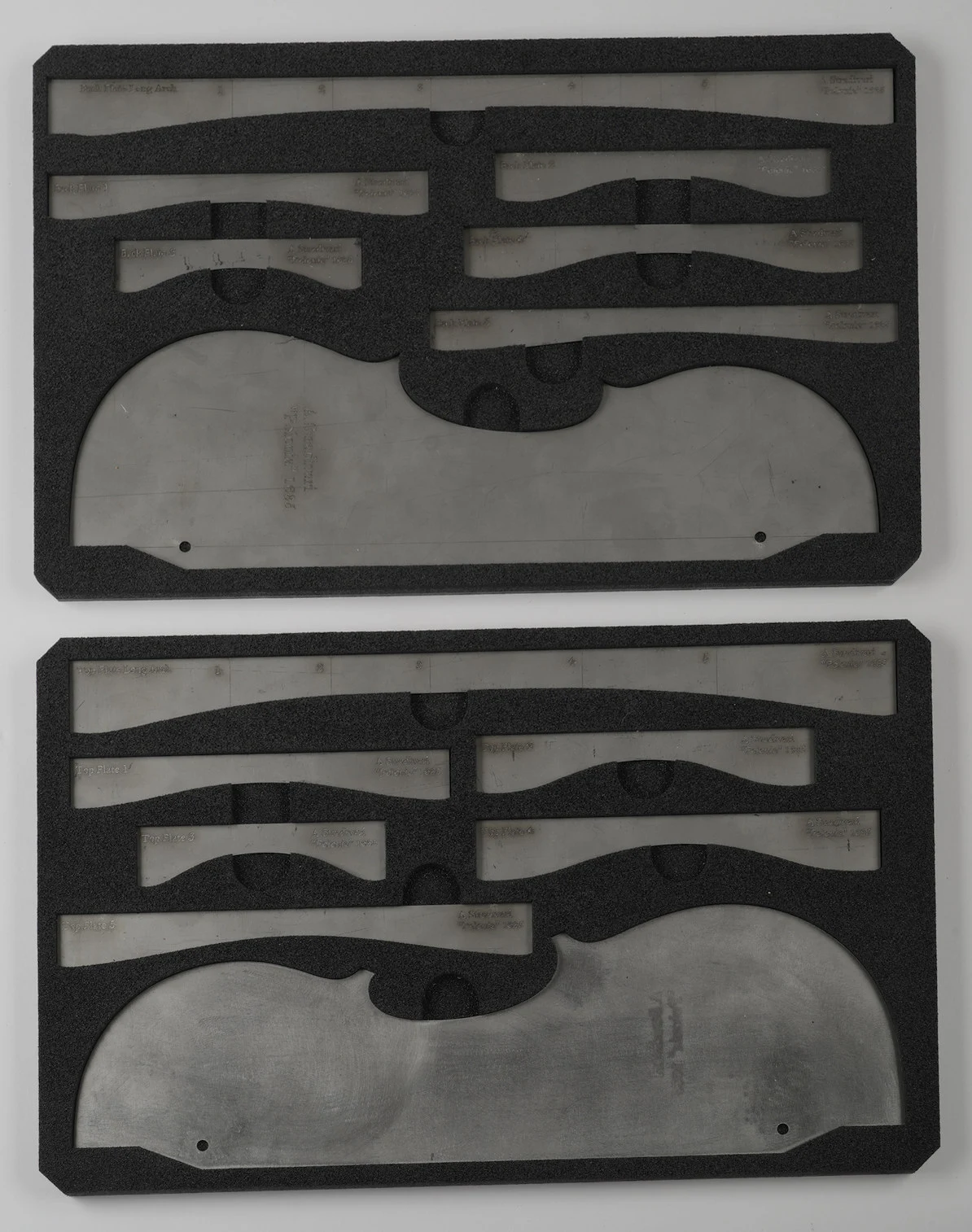
From that documentation came a full set of bench templates, laser-cut from 1 mm stainless steel, and a three-part construction mould in HPL laminate — the basic equipment used while building the instrument. Every element was derived directly from the tomographic data, keeping one common reference geometry.
- Industrial computed tomography
- Three-dimensional and volumetric models
- Tomographic sections
- Technical drawings
- Tables of measurements
- Plate thickness maps
- Construction moulds
- Workshop templates
- 3D-printed reference models
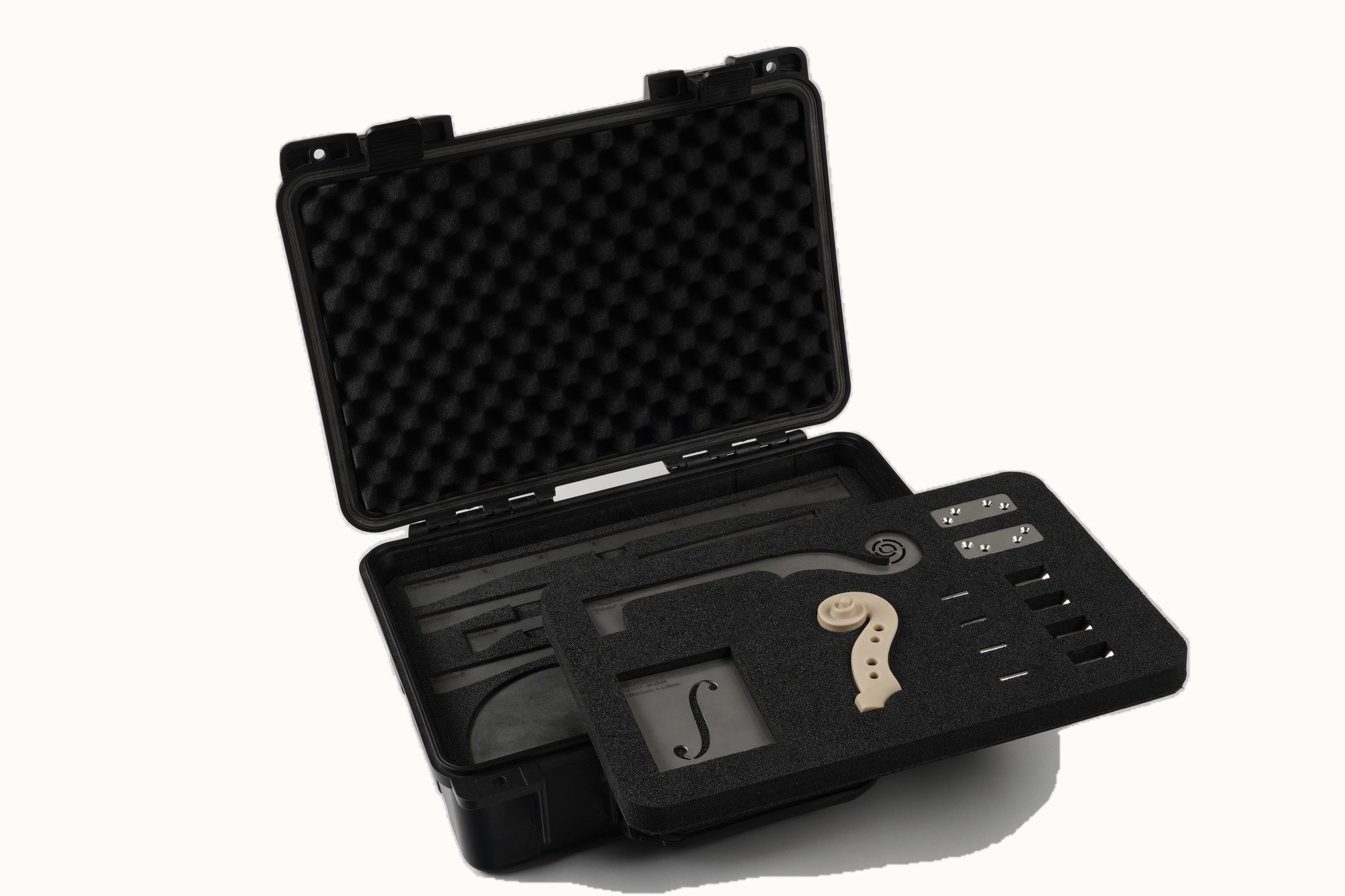
The complete set in its transport case — templates, mould and scroll model in foam inserts
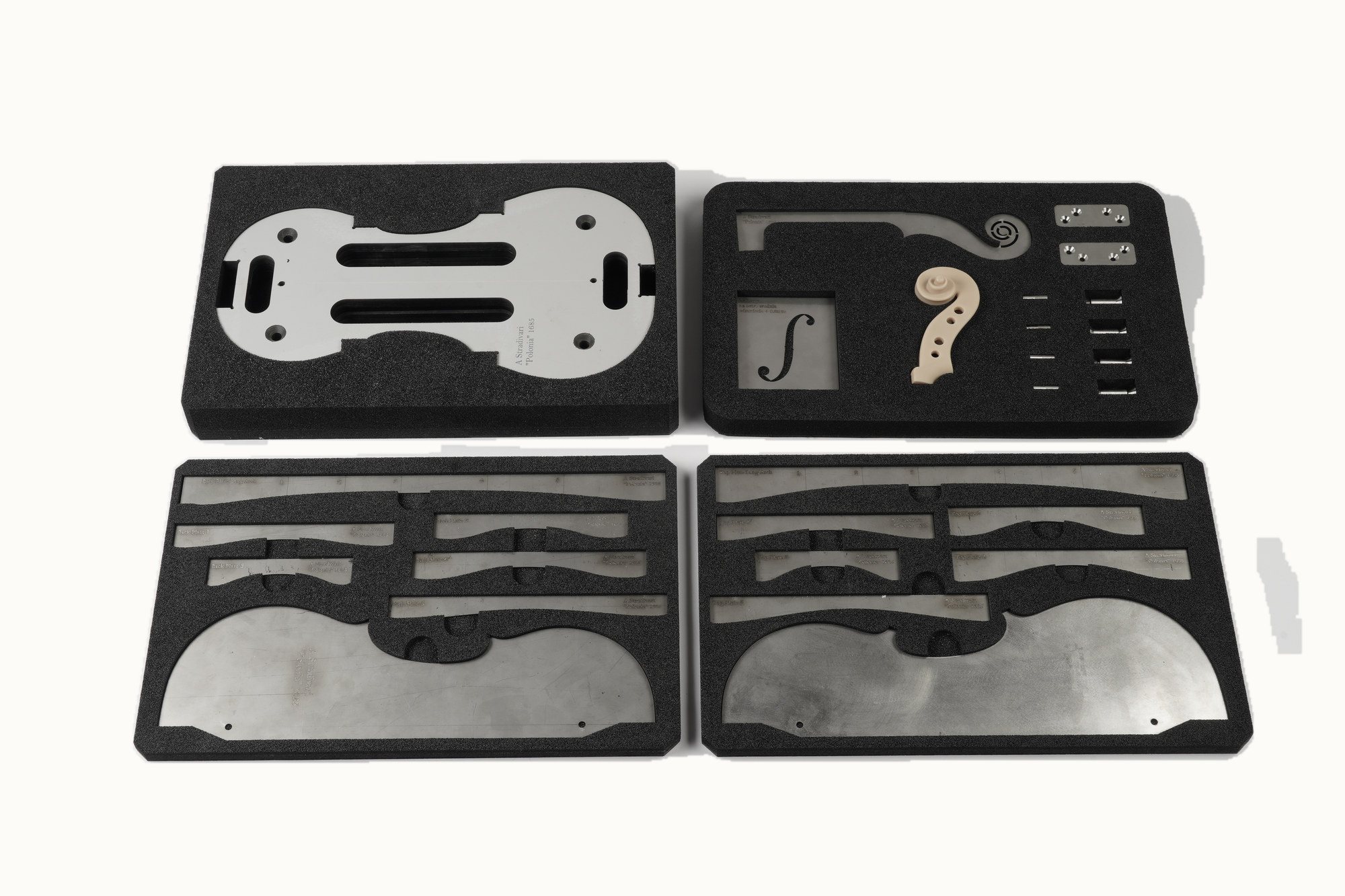
The set laid out: four inserts holding the complete contents
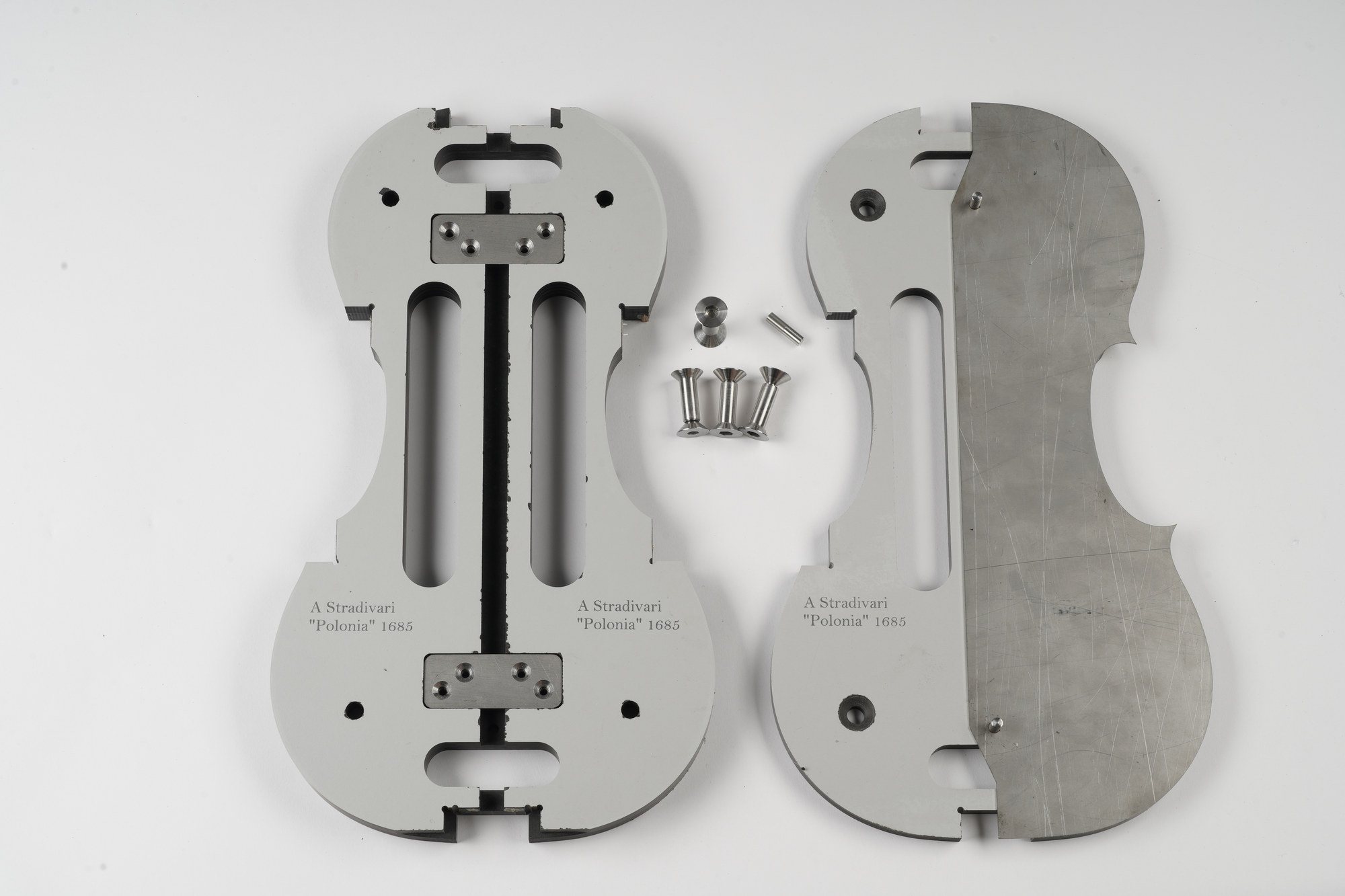
The construction mould with the outline template and assembly screws
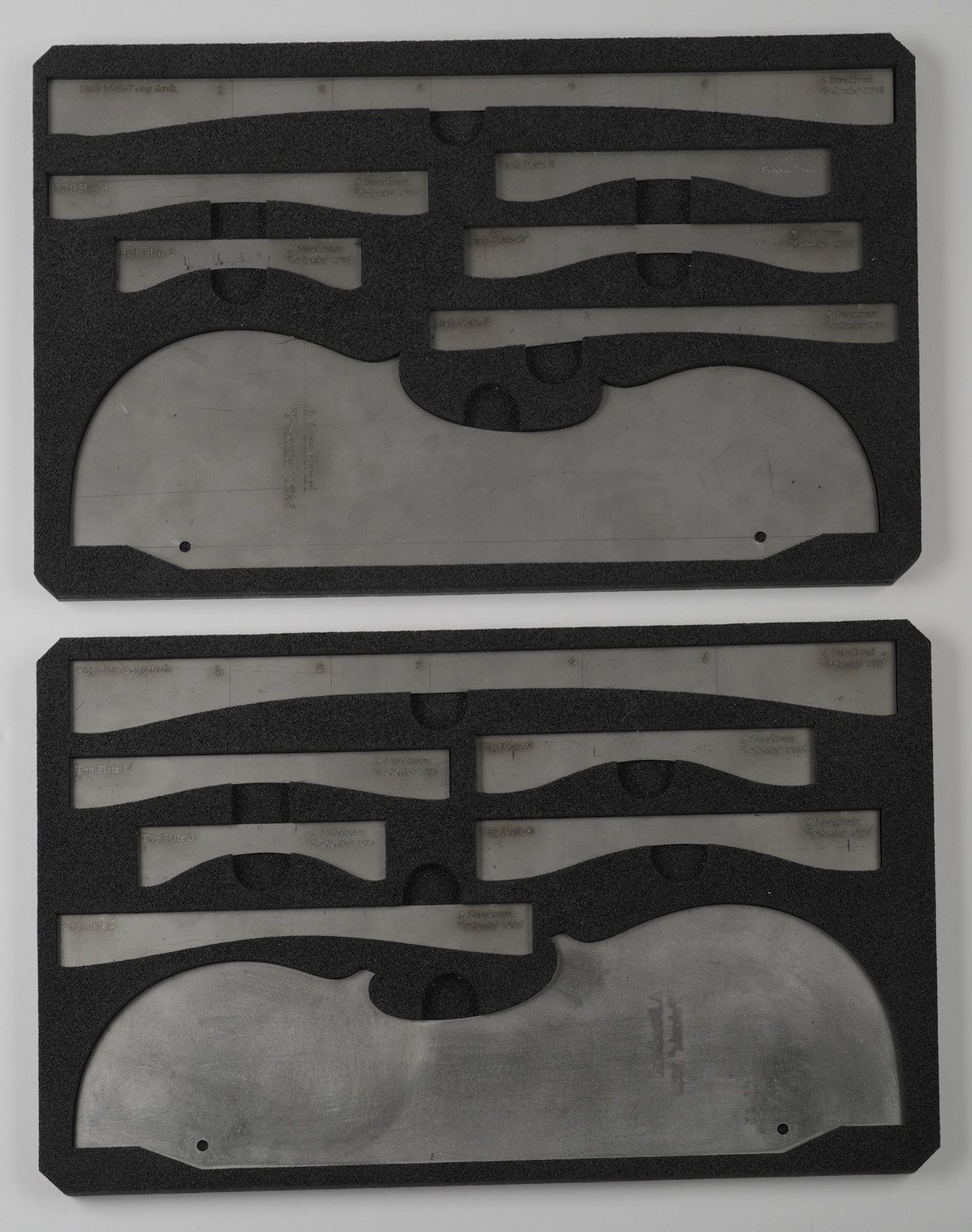
Arching and outline templates, laser-cut from stainless steel
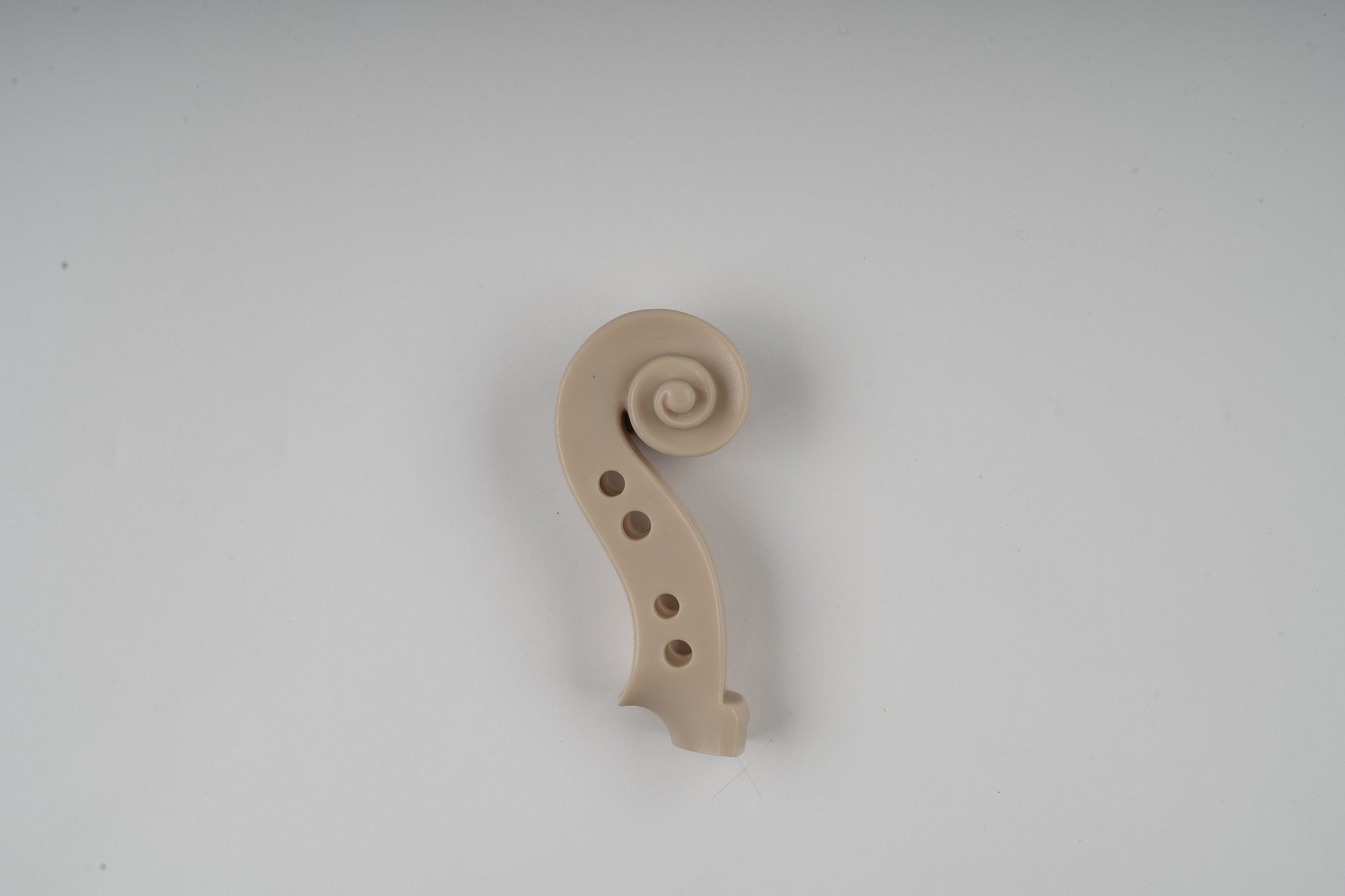
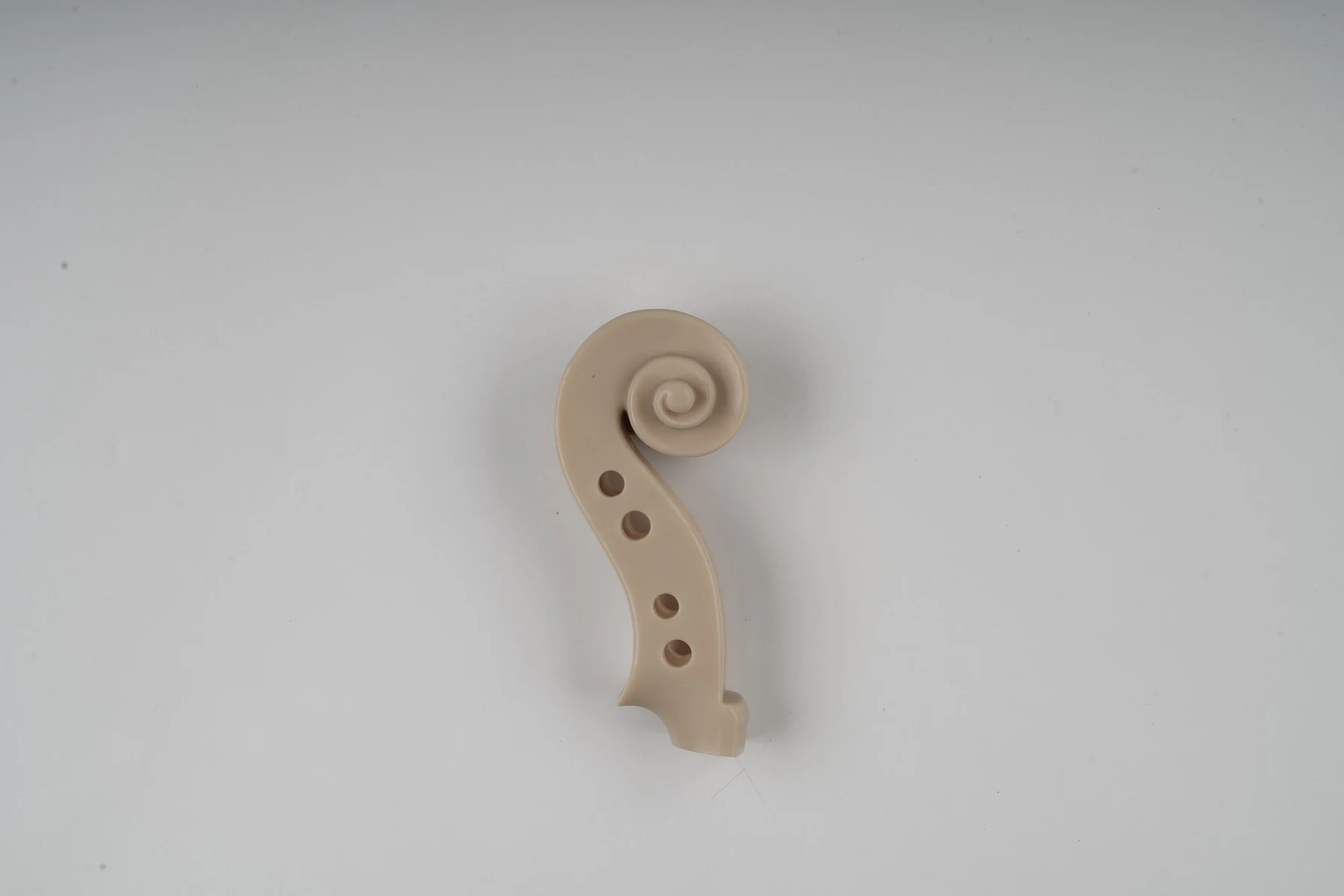
Reference model of the scroll — the ‘Polonia’ Stradivari
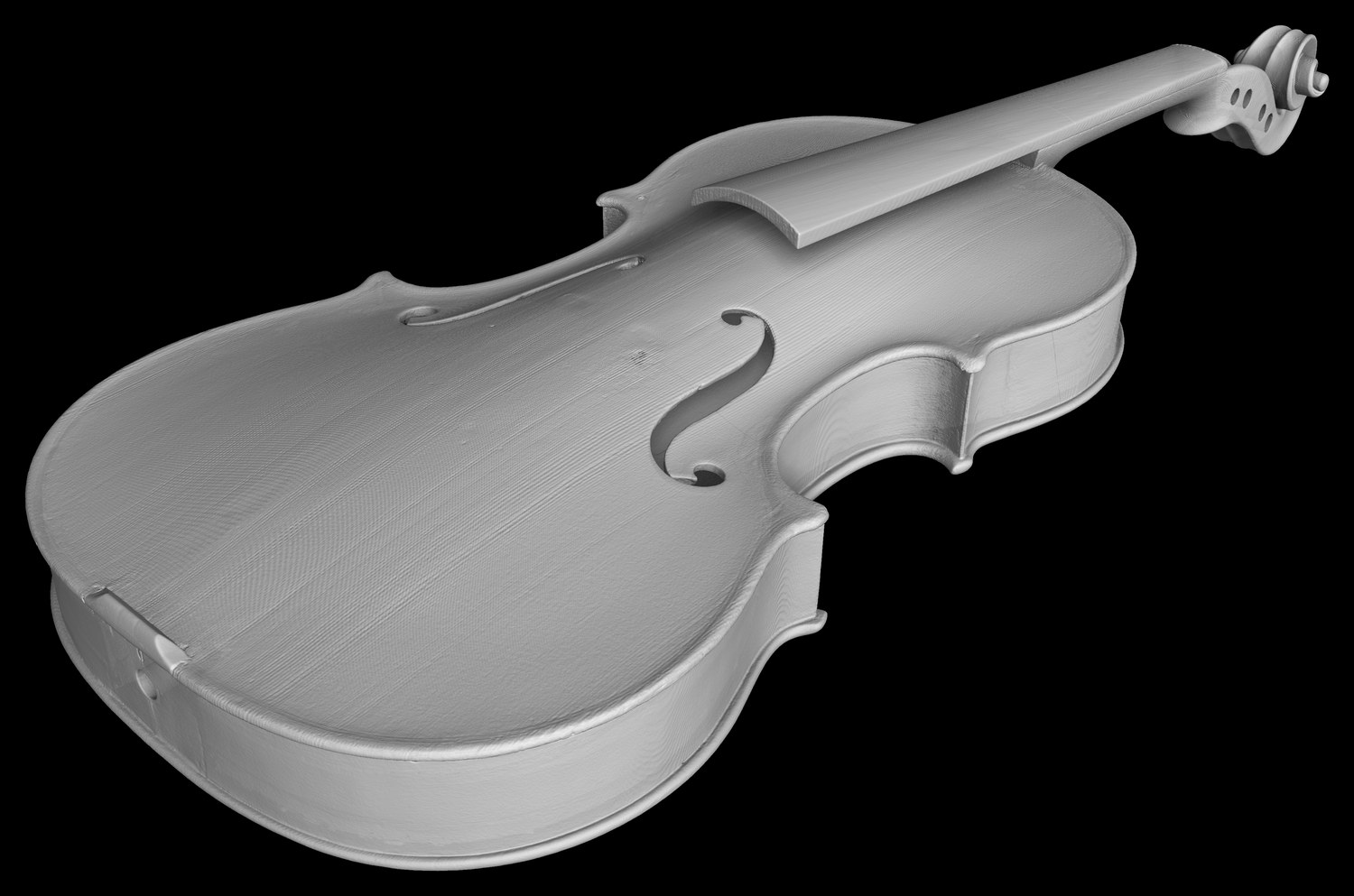
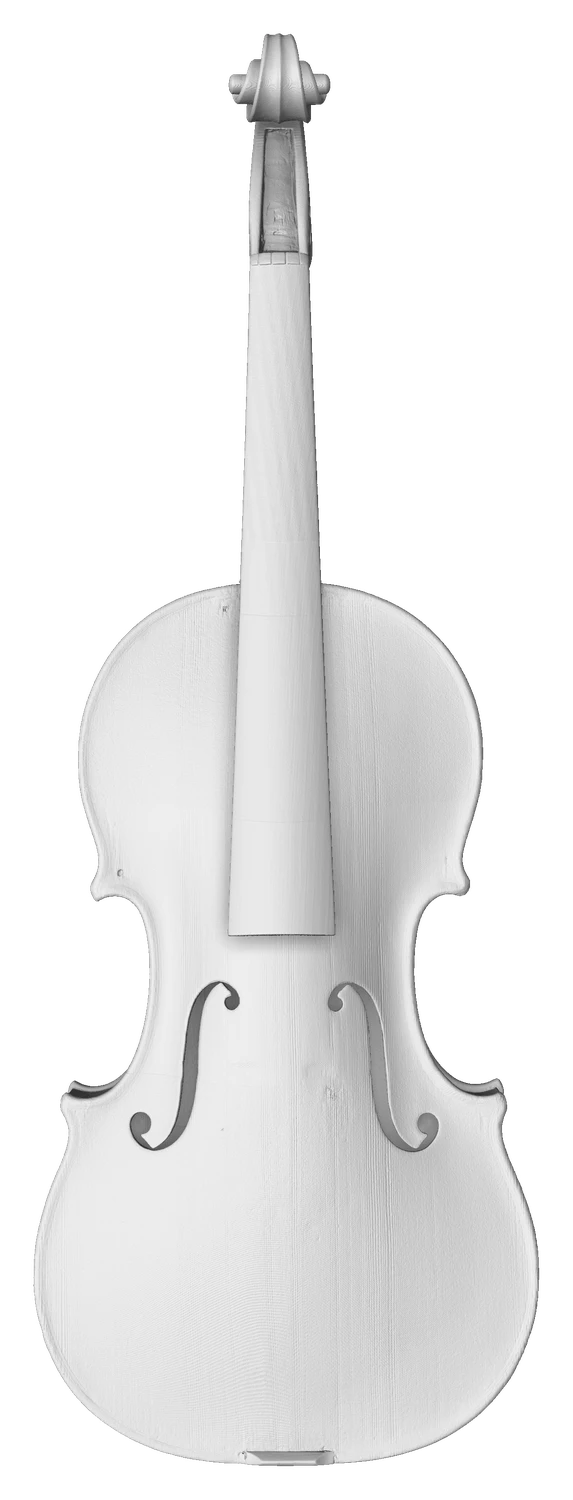
The model from tomography
An STL surface model derived from the industrial computed tomography data. It preserves the instrument’s geometry and is the basis for measurement, analysis and the preparation of technical documentation.
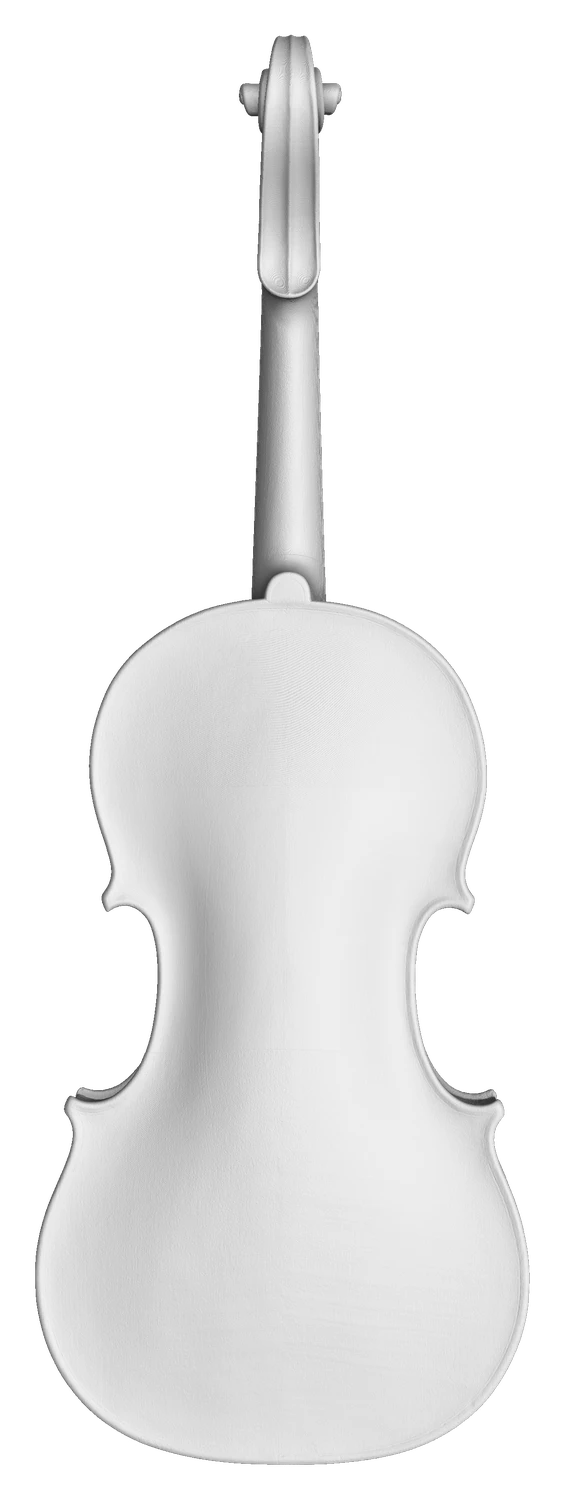
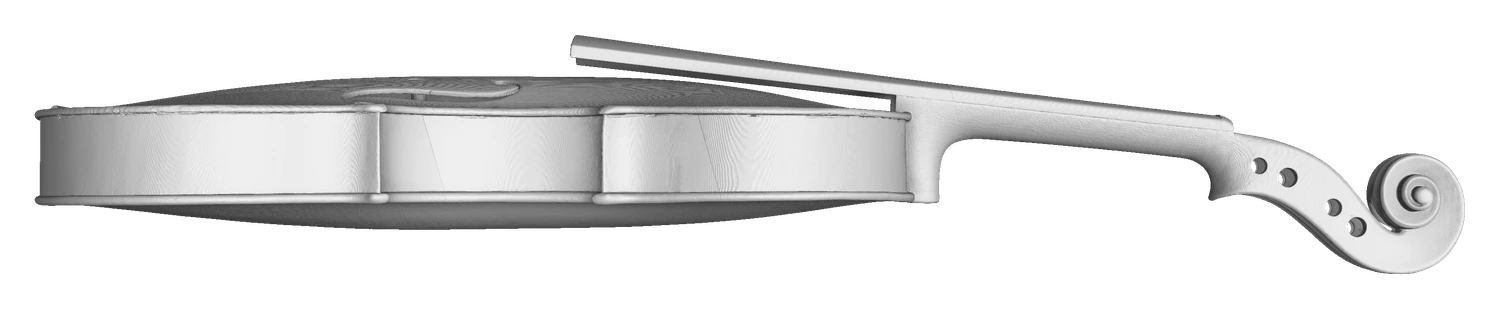
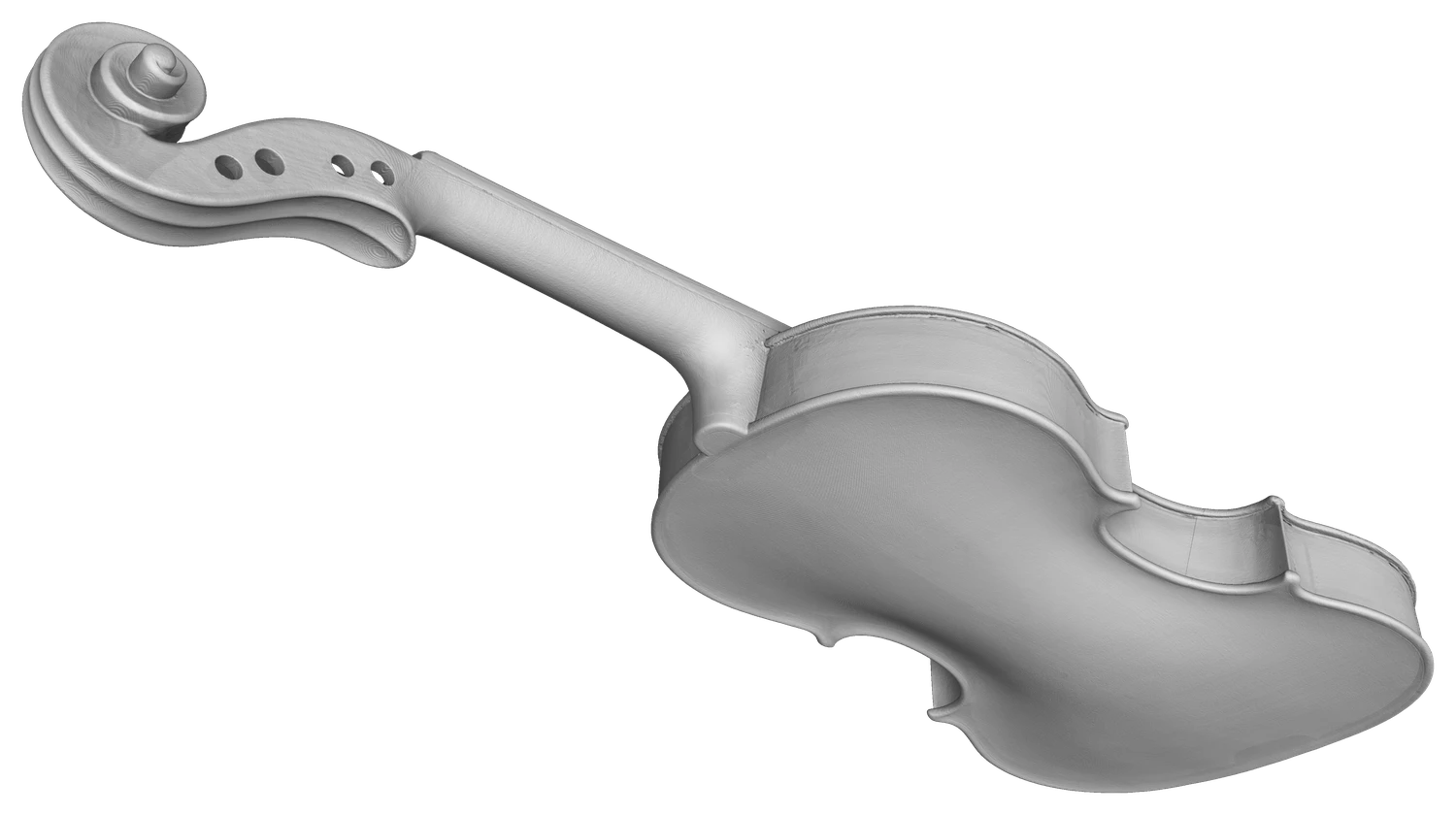
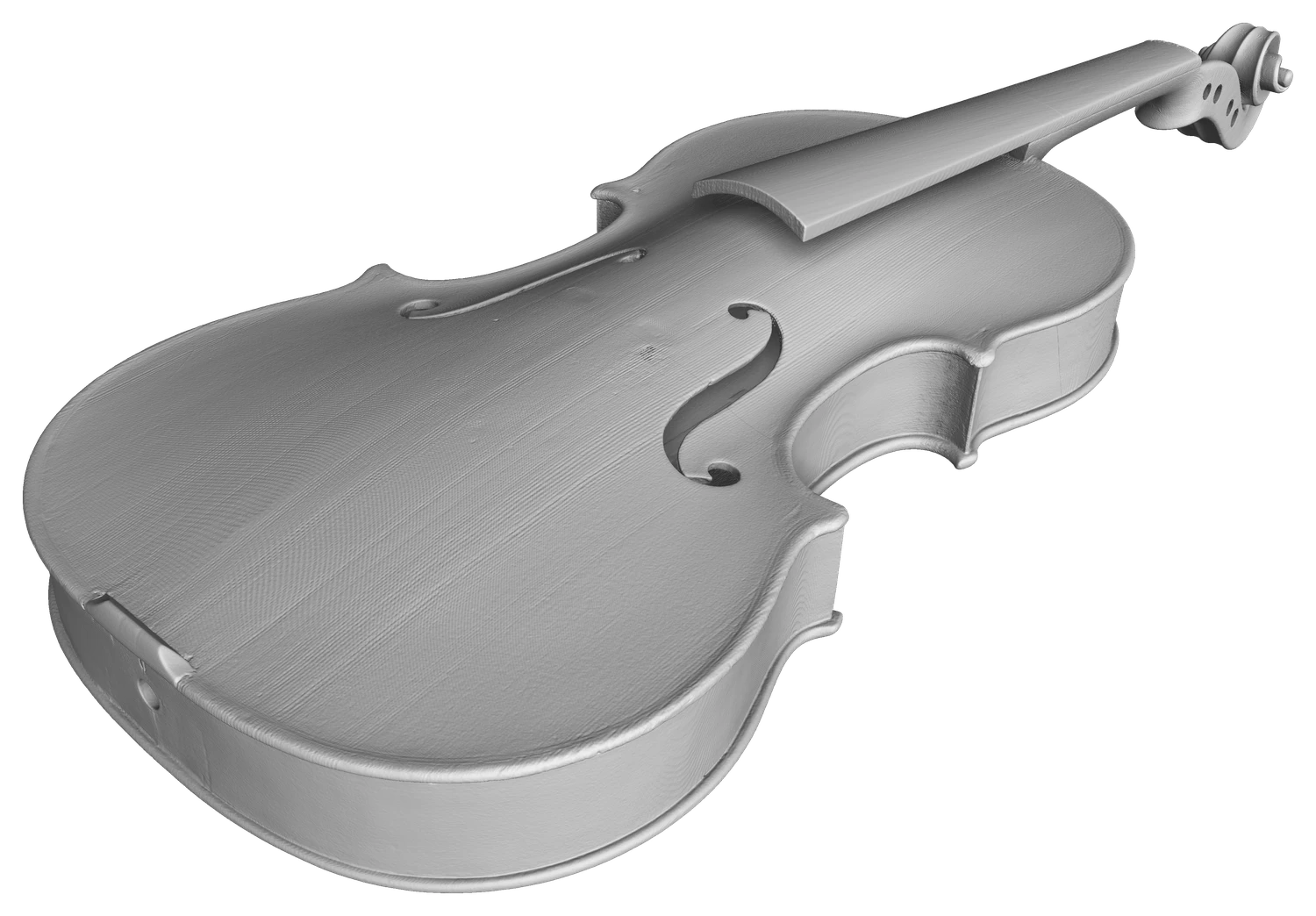
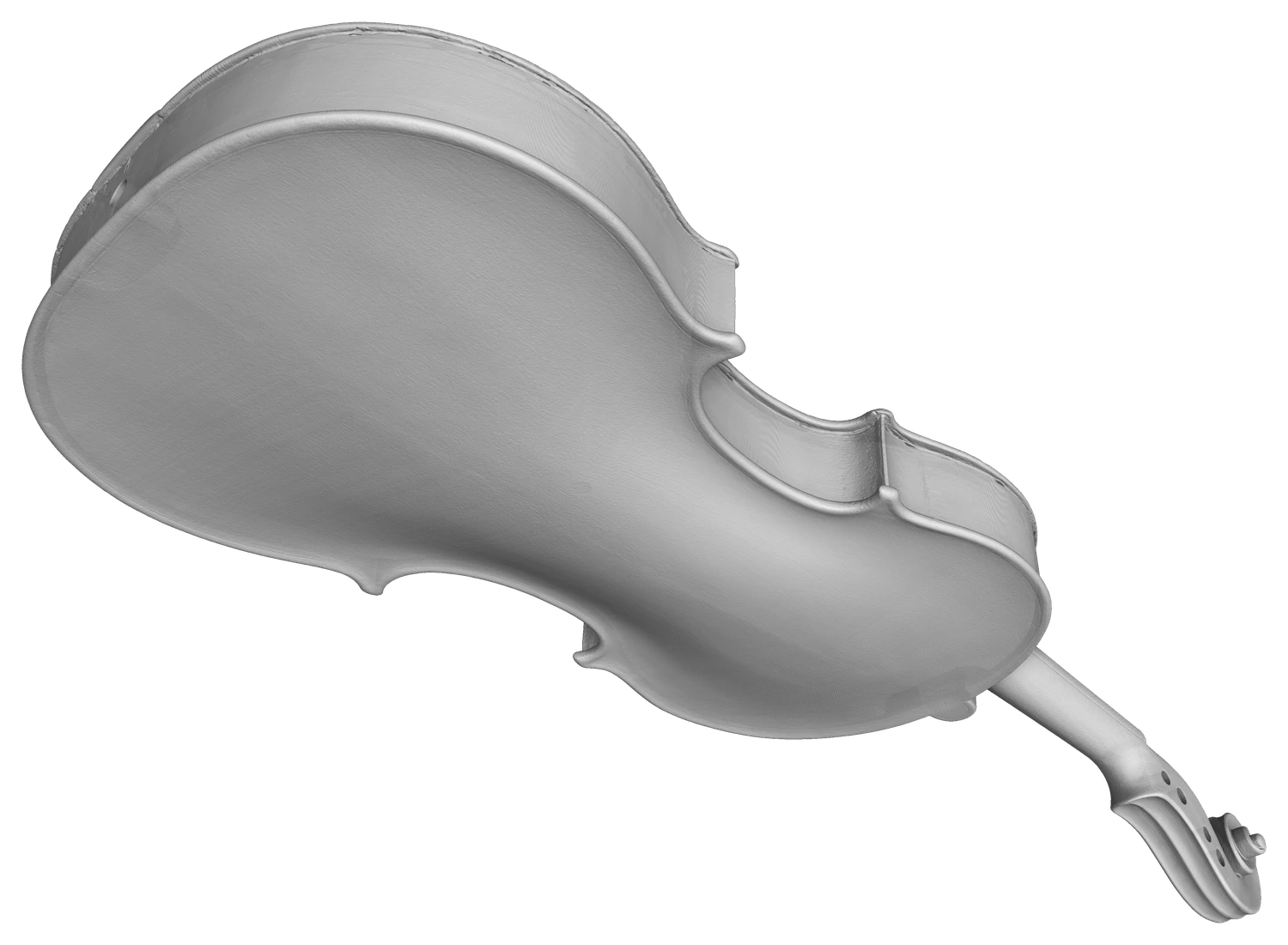
Three-dimensional model
Computed tomography · 2.5M triangles · 0.55 mm edge
Left button rotates · right button pans · wheel zooms · slider cuts
Physical 3D models
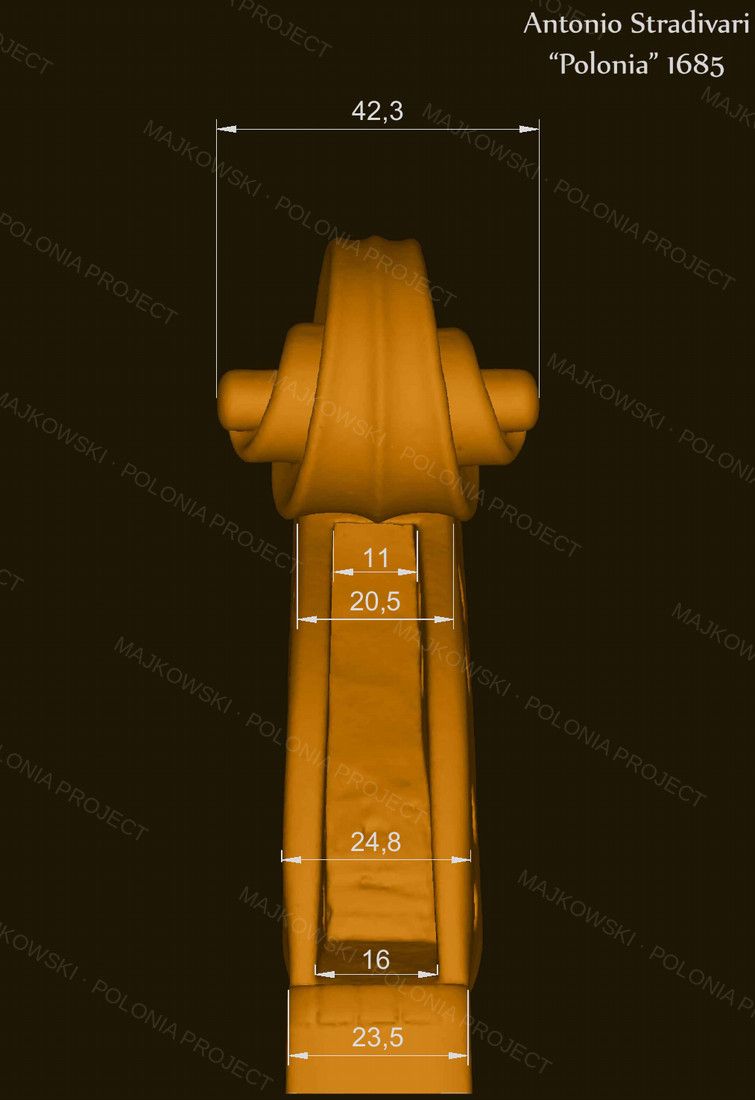
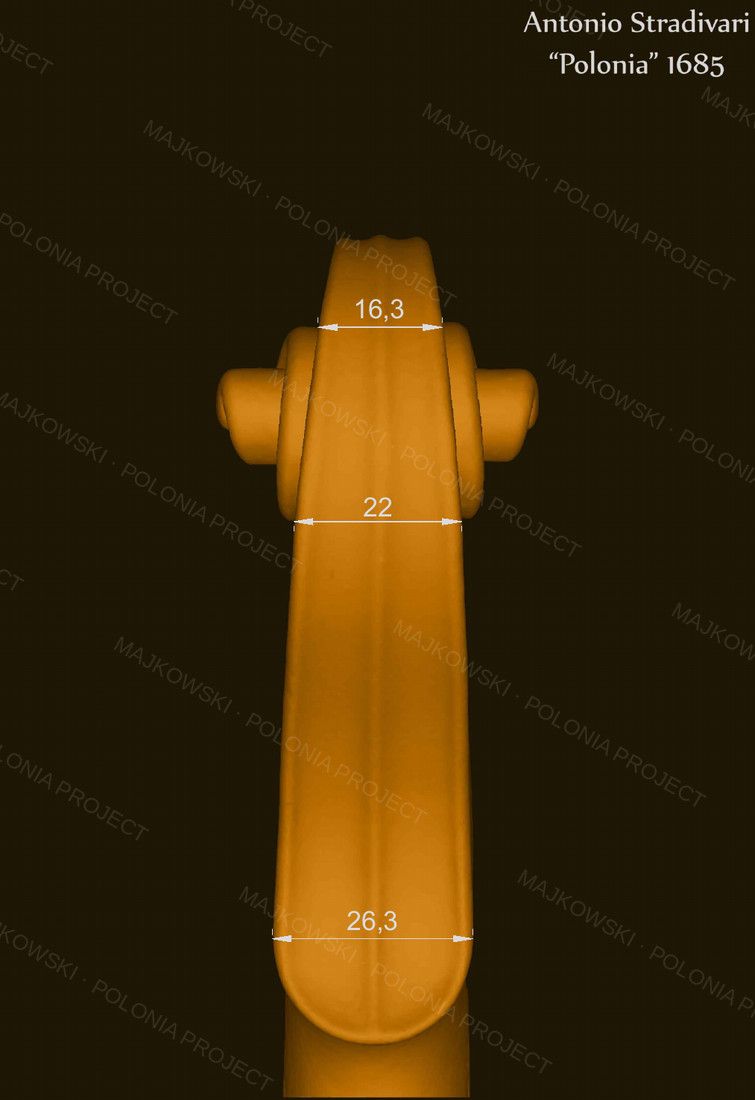
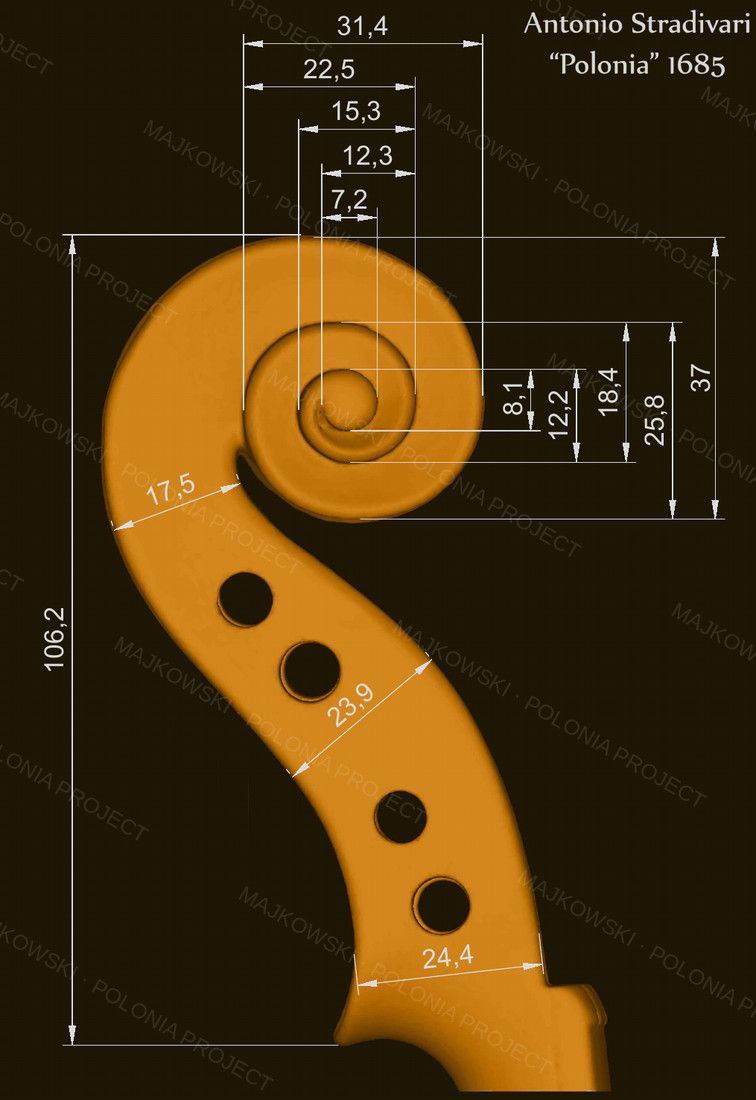
The reference 3D models are made directly from the industrial computed tomography data of the instrument. They are printed in light-cured photopolymer resins at a layer height of 0.02 mm, then scanned again and analysed on the computer to verify that they match the original tomographic data.
They are the modern counterpart of traditional plaster casts, without their basic limitations: brittleness, dimensional instability and the inability to reproduce the internal geometry of the object. The material is highly stable dimensionally, so the models can serve as lasting reference masters in research and at the bench.
High scanning resolution combined with the precision of 3D printing reproduces the instrument’s geometry faithfully — down to the tool marks left when the scroll was carved by hand.
Every model comes with printed technical documentation giving the basic dimensions and technical drawings.
Every scroll model is made to individual order.
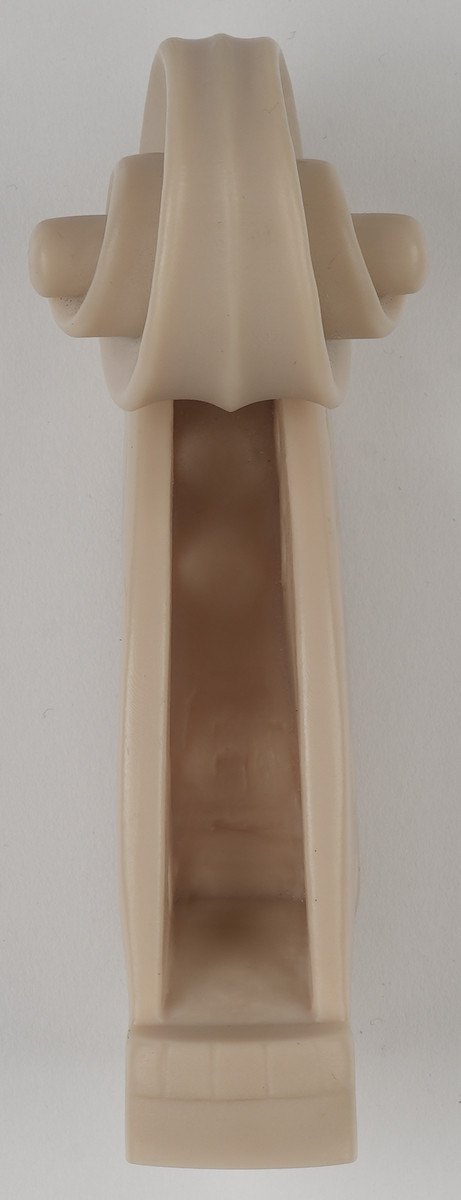
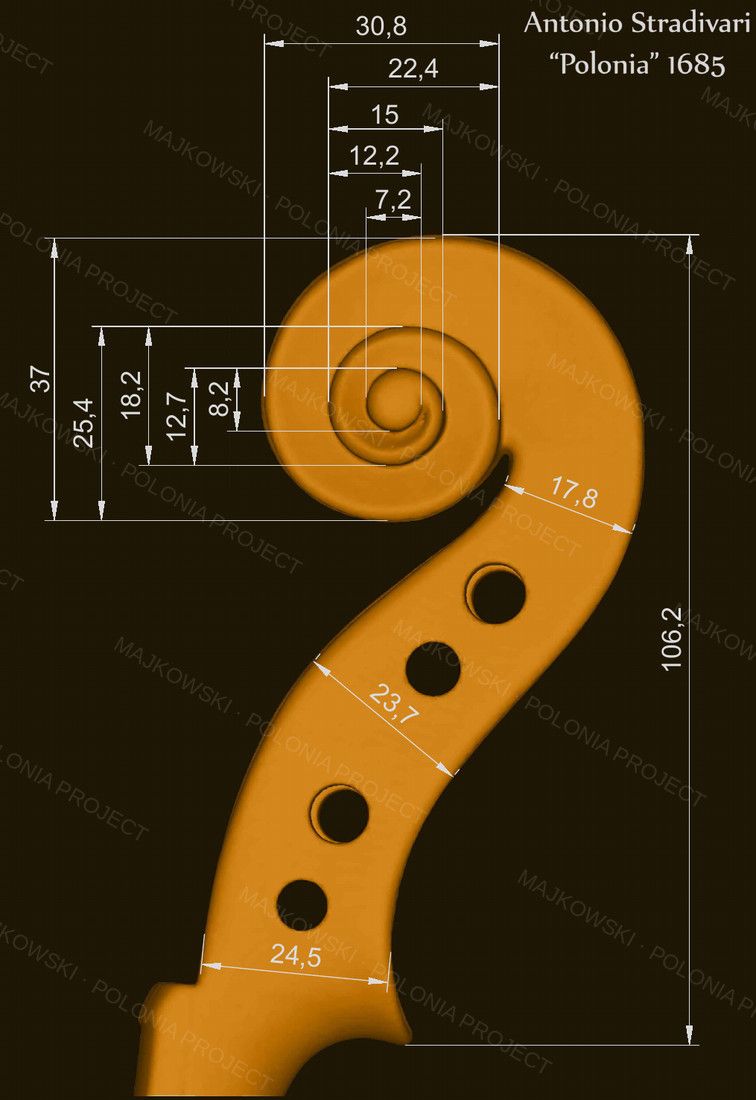
The scroll of the ‘Polonia’ violin by Antonio Stradivari
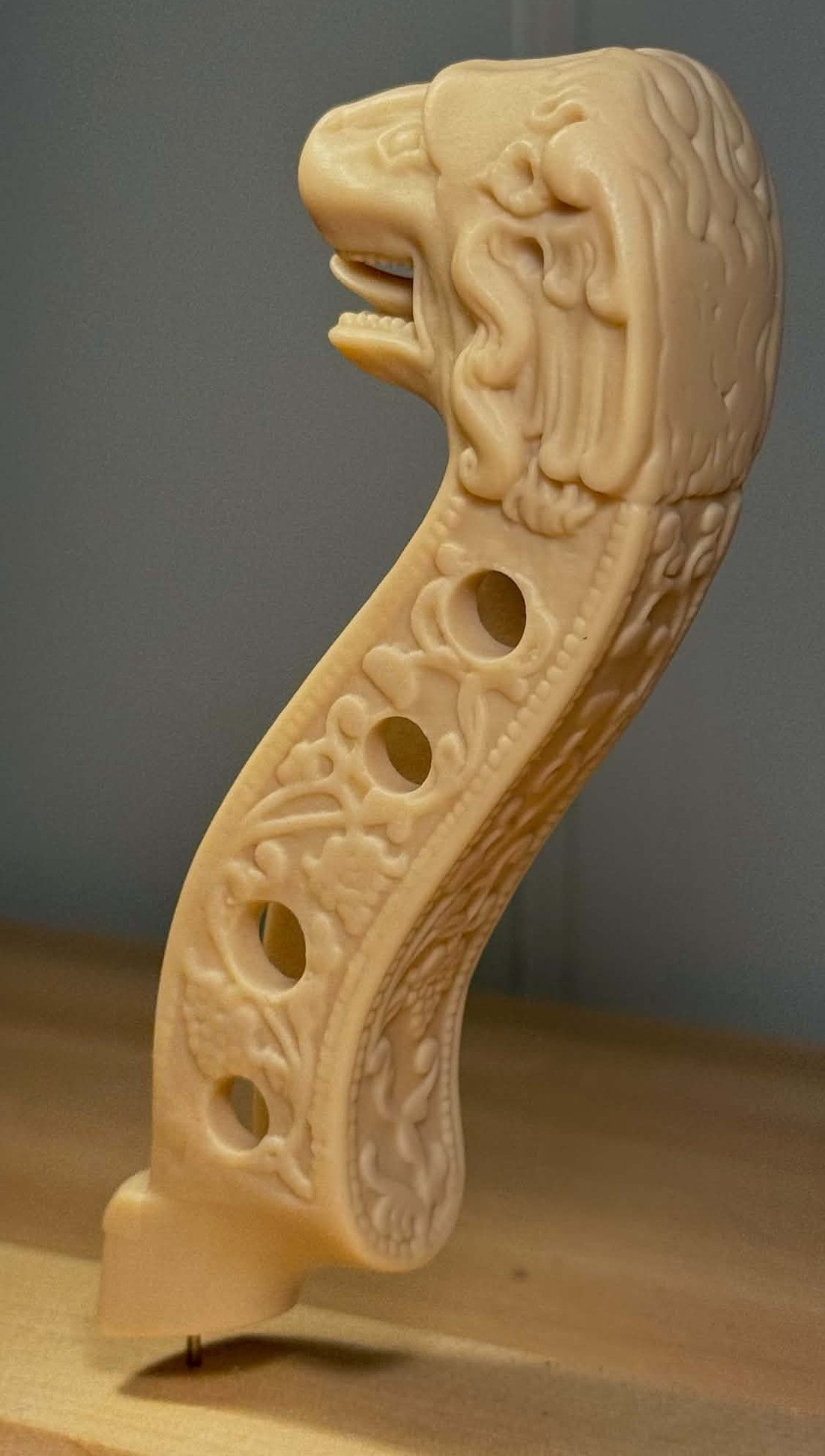
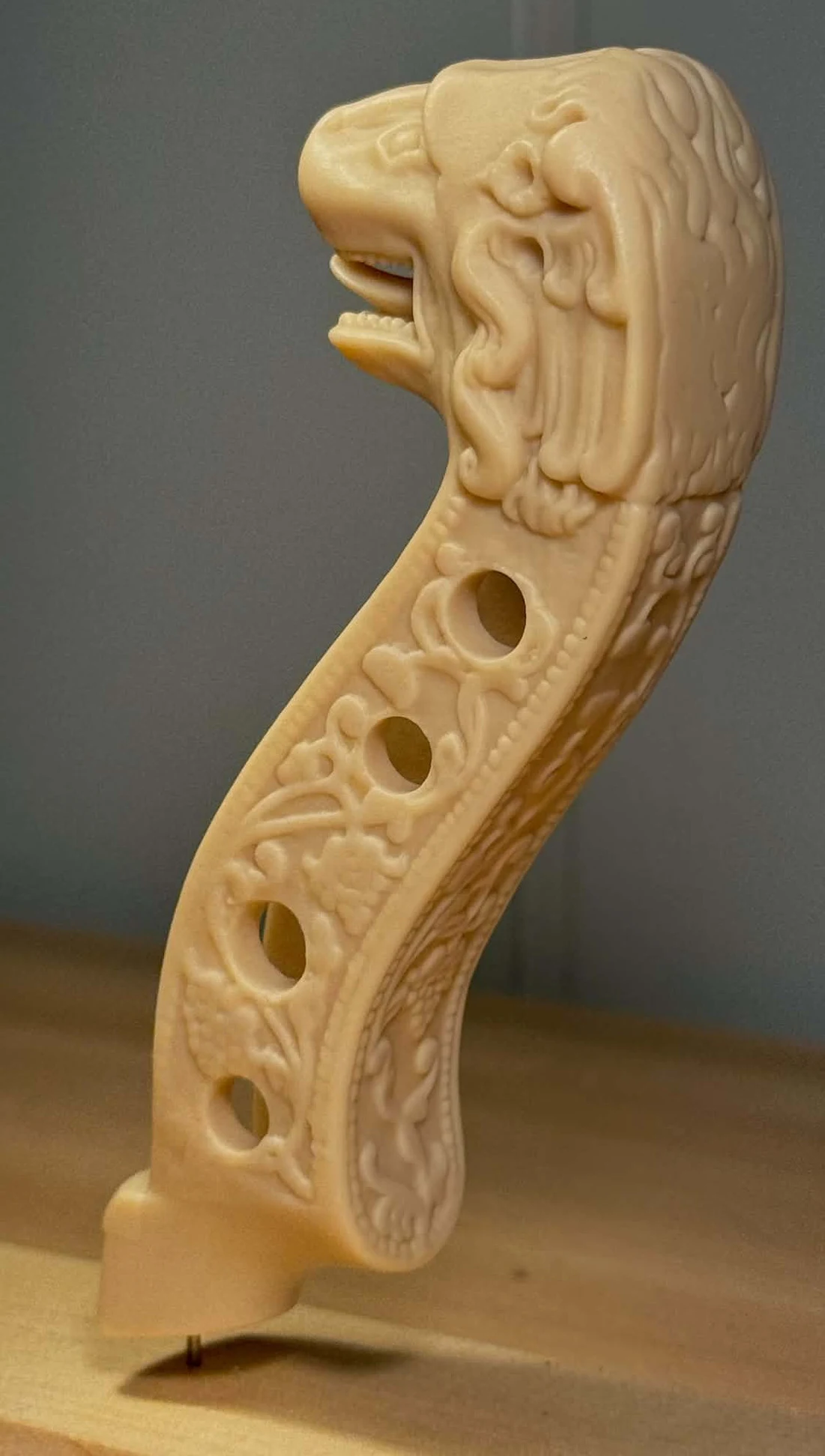
The lion’s head from an instrument by Marcin Groblicz
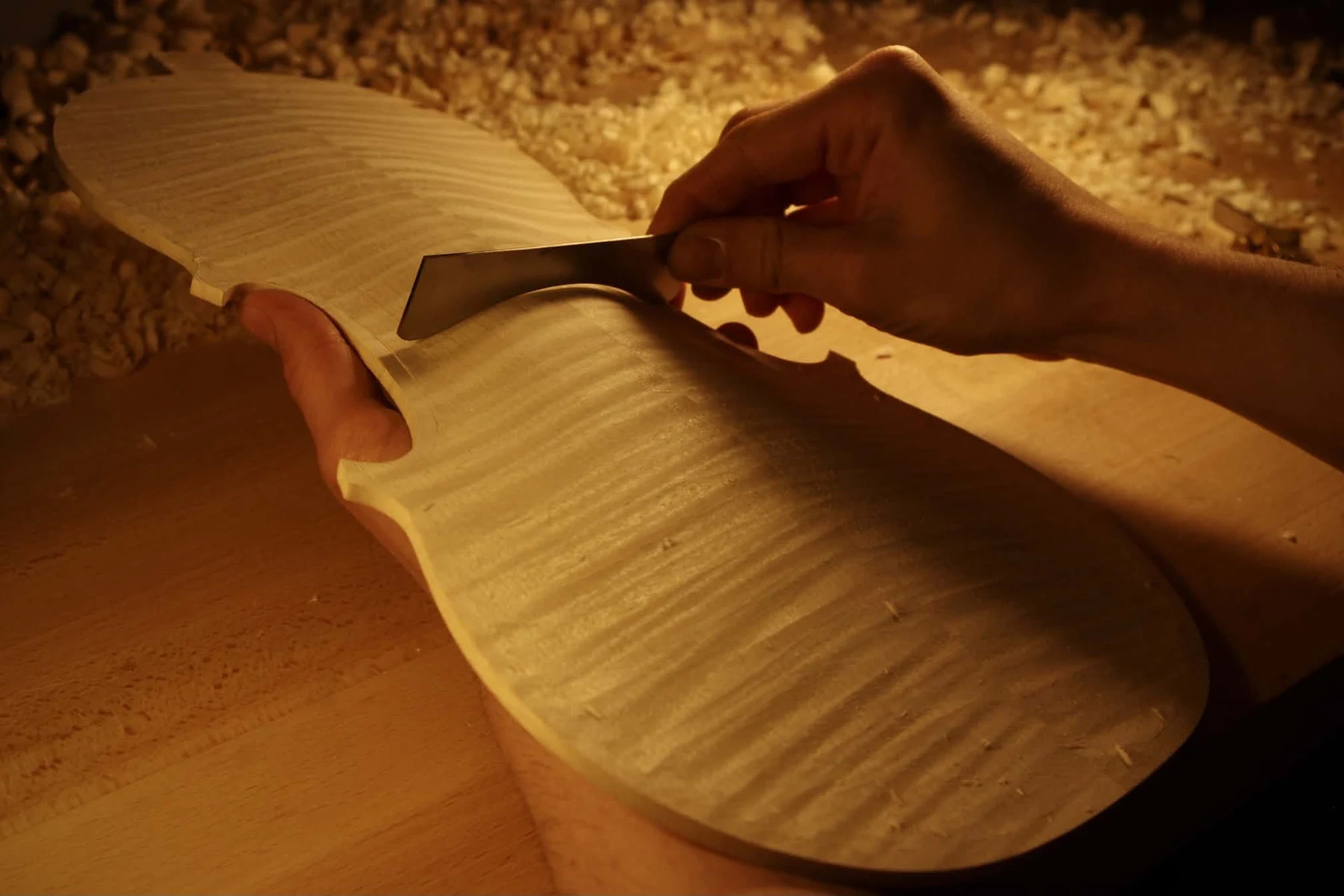
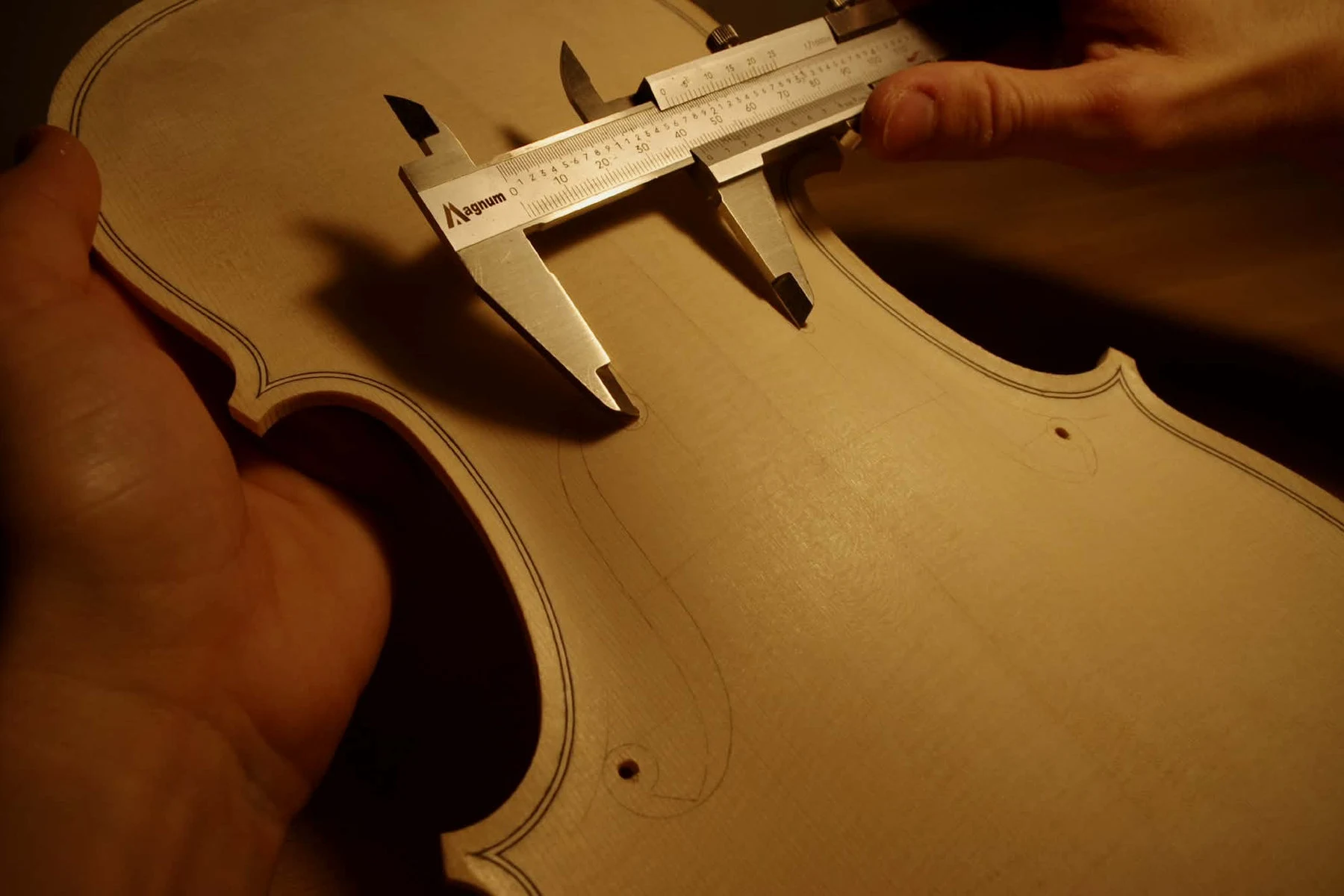
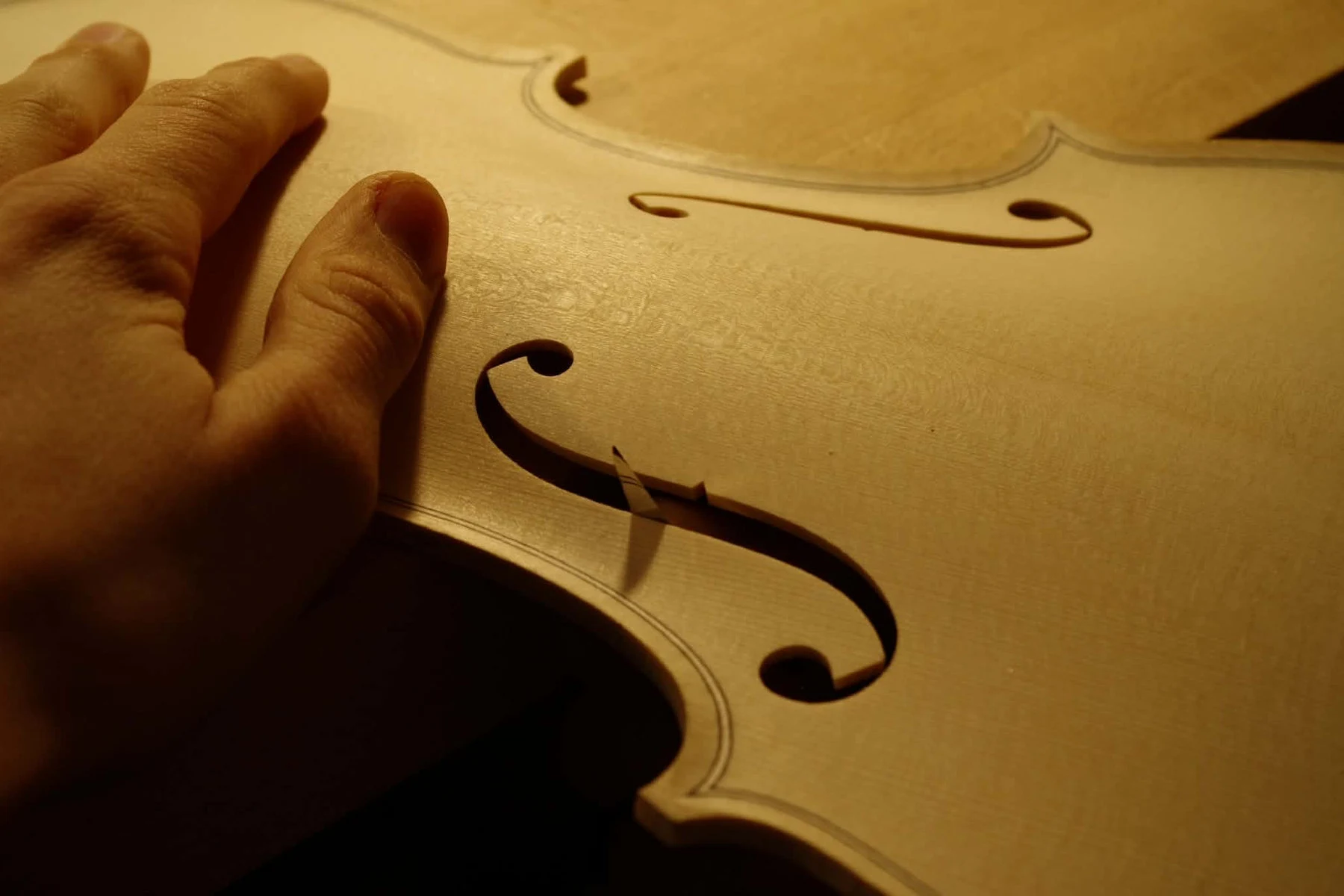
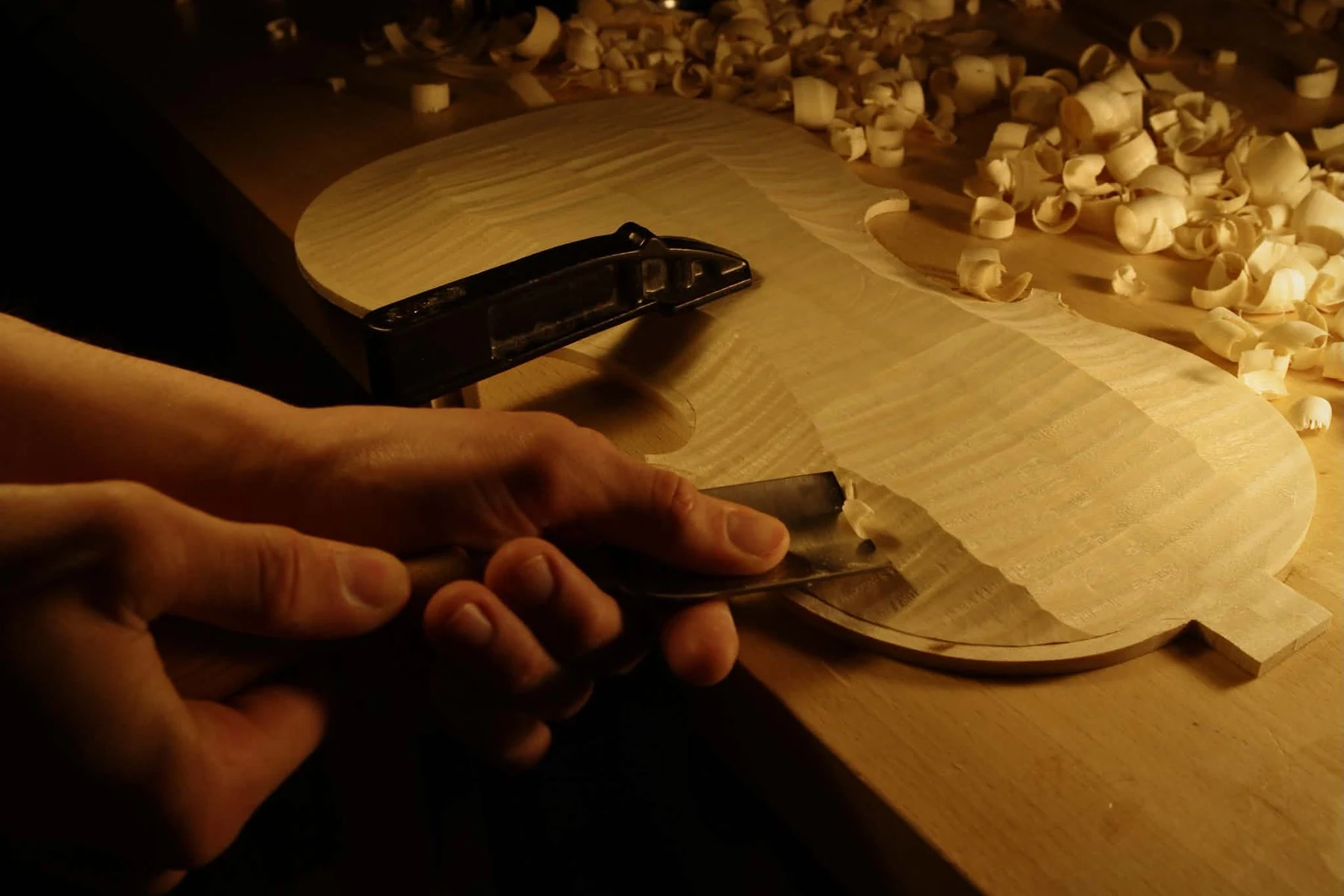
Building the instrument
An integral part of the project was building a new instrument on the ‘Polonia’ model. It is not a faithful copy of the historical instrument but a present-day interpretation of its geometry, based on analysis of the tomographic data and on the technical documentation prepared from it. The resulting instrument is a practical test of the documentation method and of what it allows in contemporary violin building.
Building the instrument was also made possible by the support of trade partners. Old Wood, Pirastro and Despiau supplied components used during the work — varnish materials, strings and bridges — a substantial part of the project’s realisation.
The project is planned to close with a concert for two violins, in which the original ‘Polonia’ and the instrument built from the technical documentation will be heard together.